From Revenue to Readiness: Rethinking Hotel Commercial Leadership for the Next Era
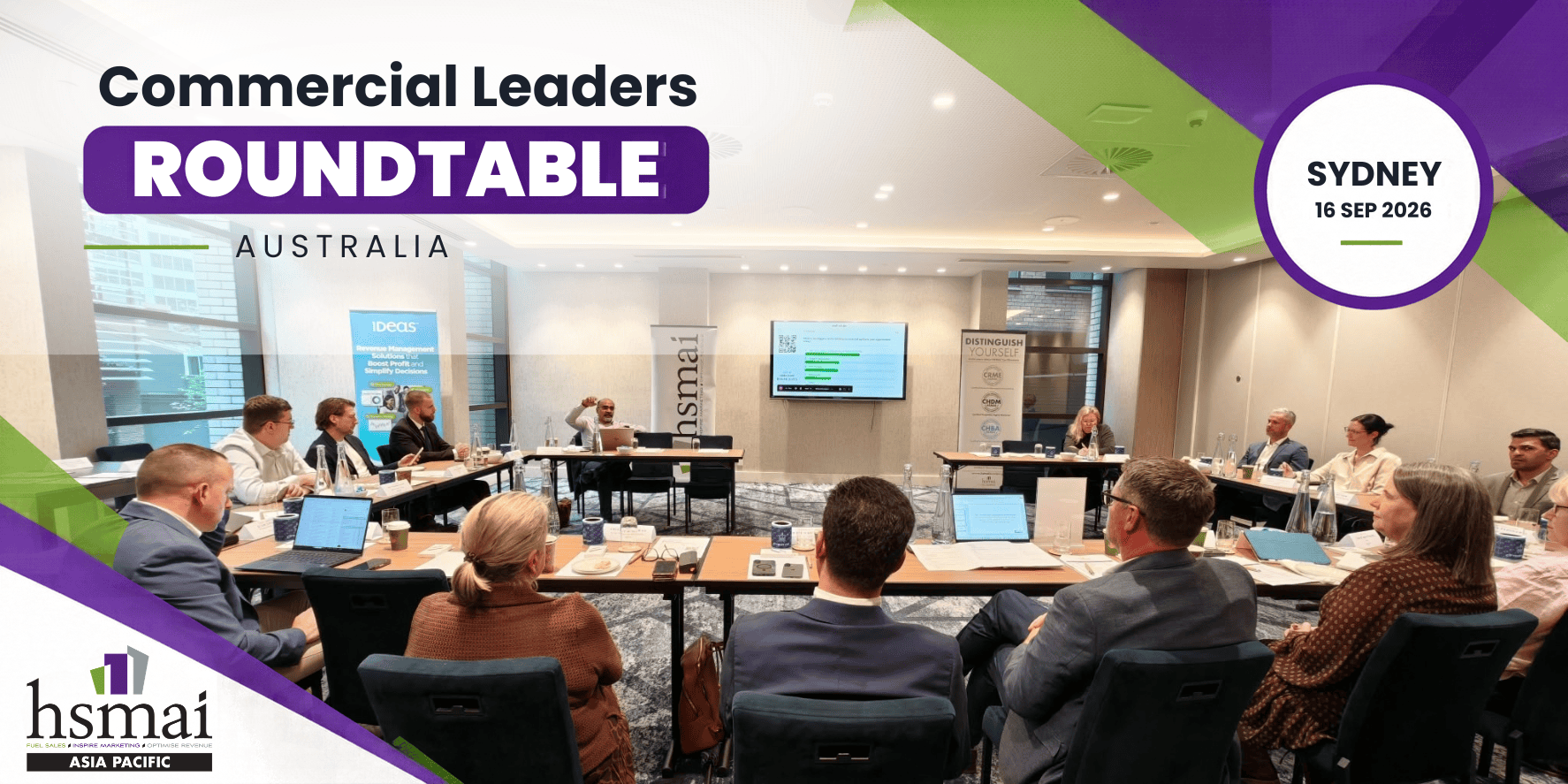
HSMAI Commercial Hotel Leaders Roundtable - Australia
22nd September, 2026
-
John Thompson Founder - Into the Arena Hospitality Consultancy

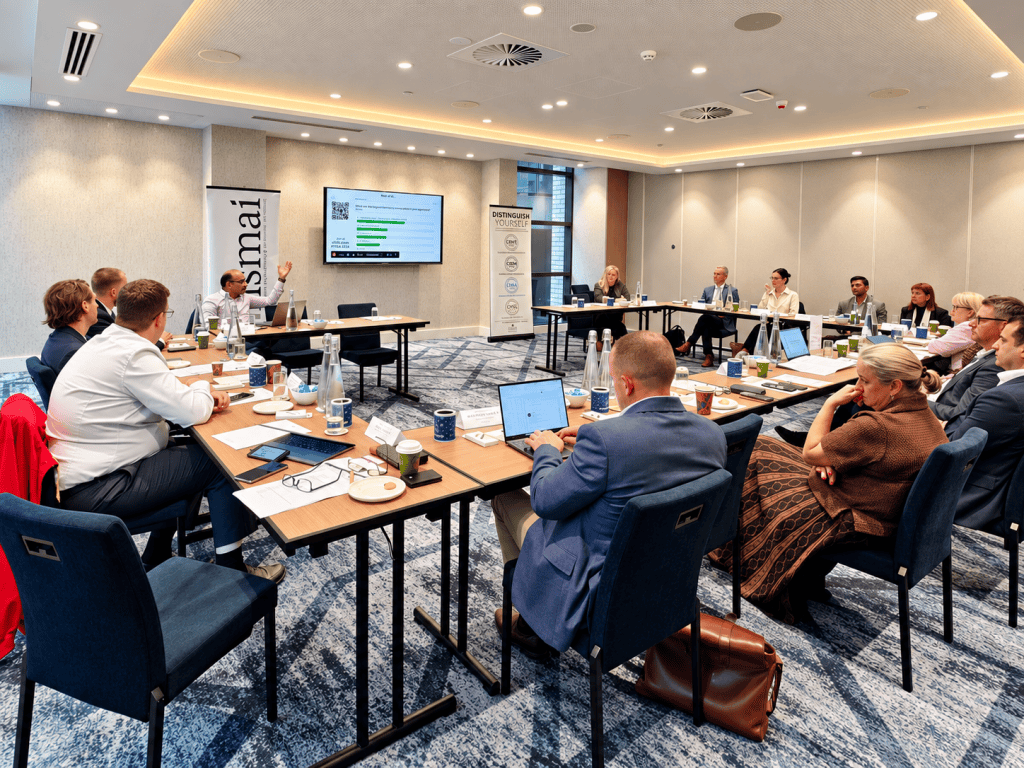
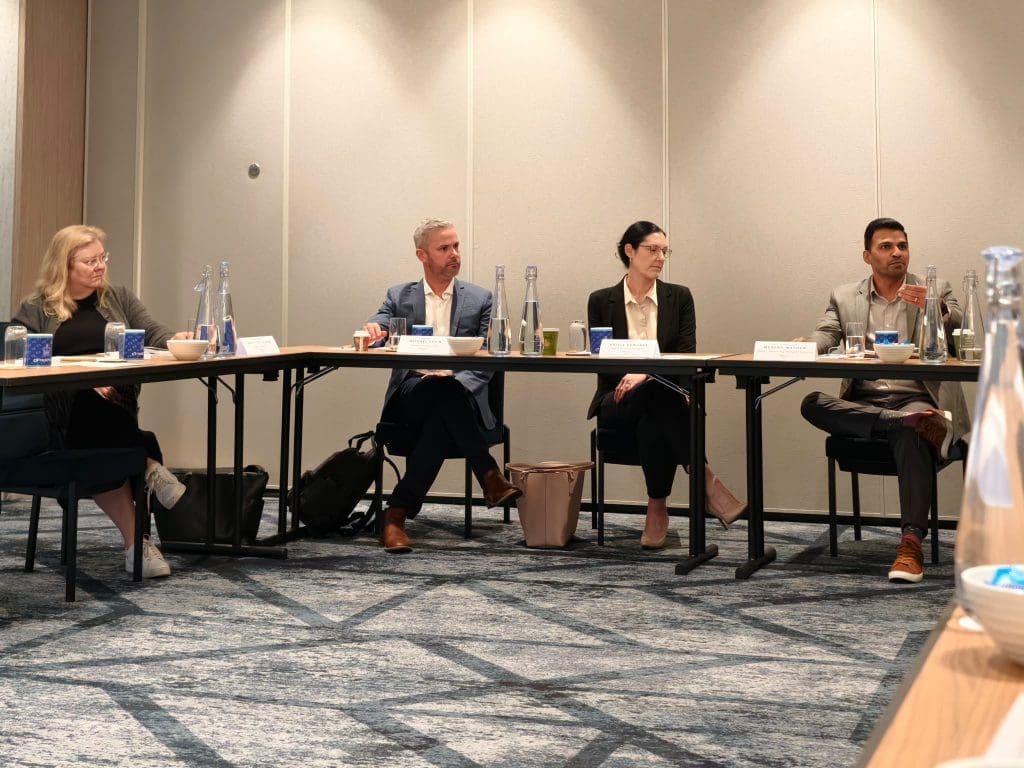
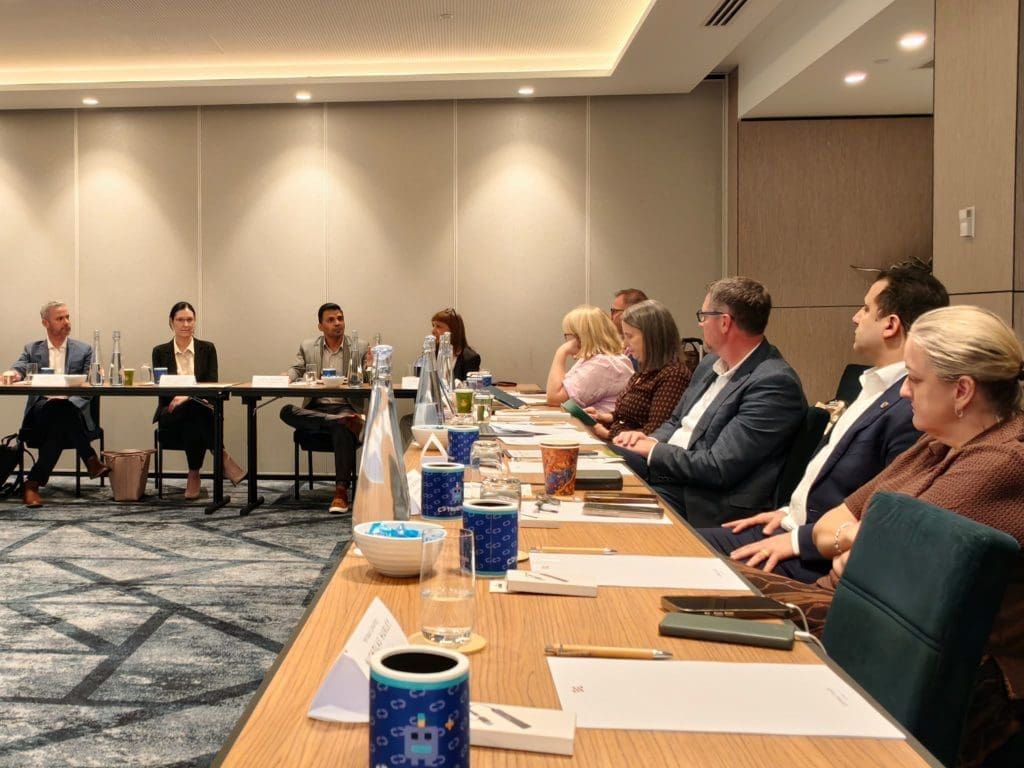
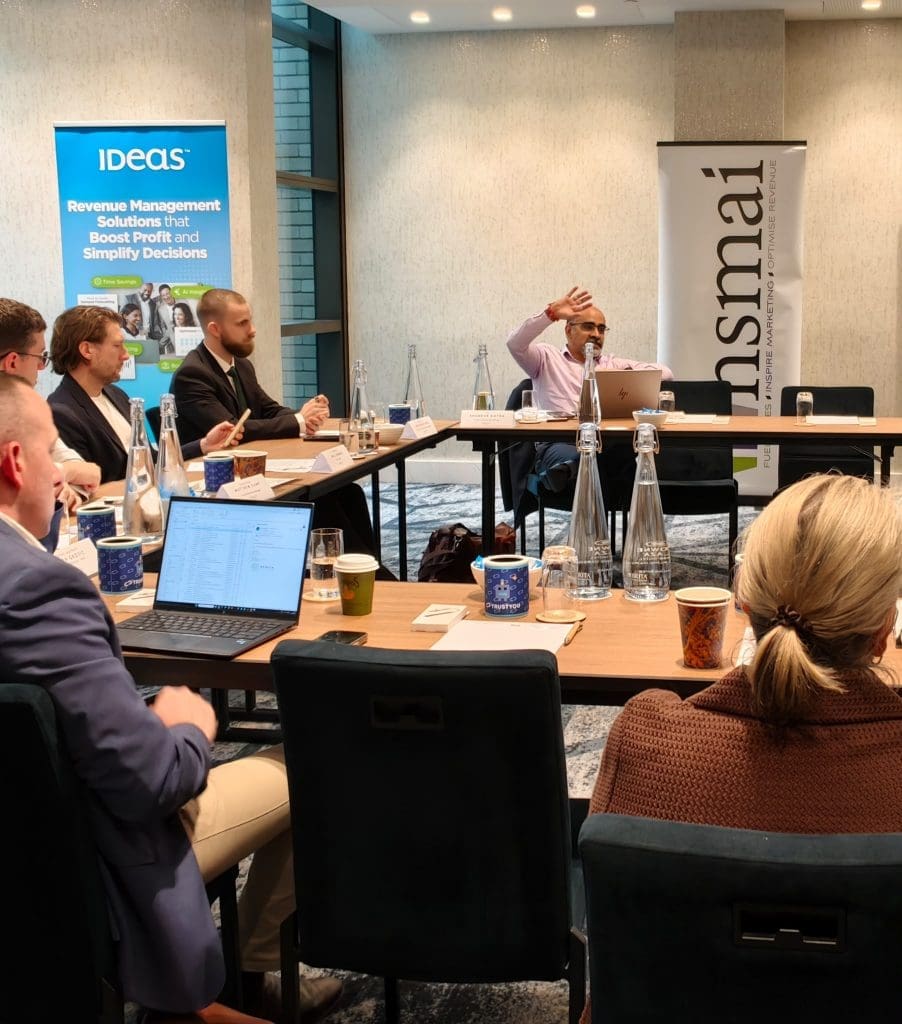
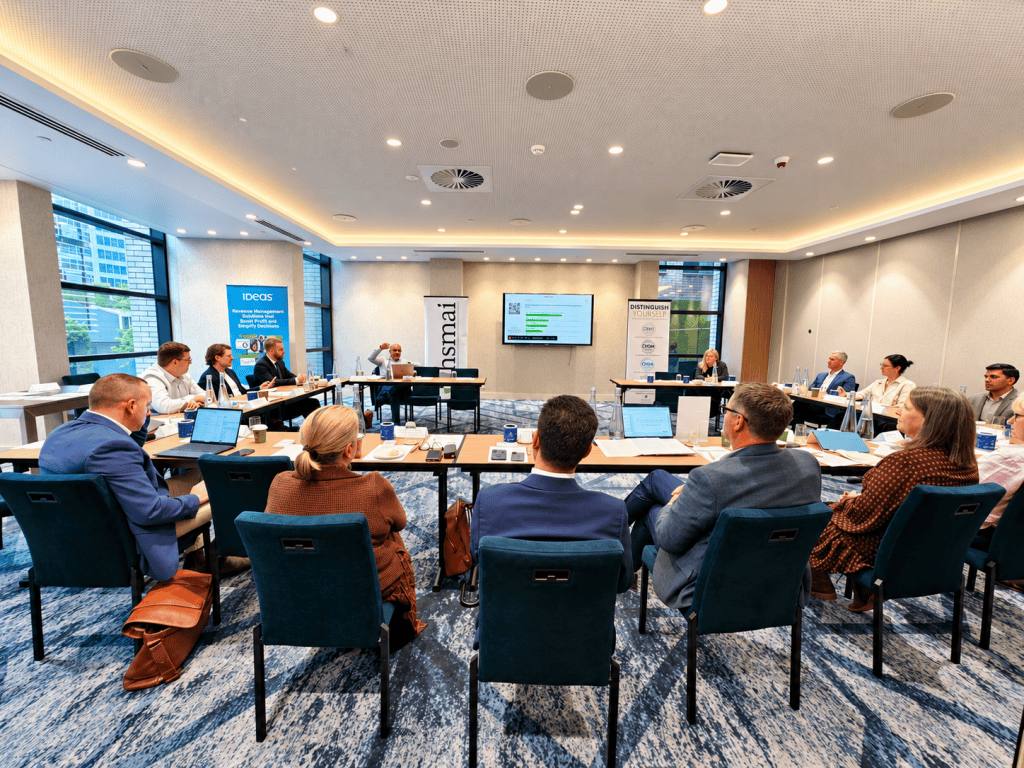
Senior hotel commercial leaders gathered in Sydney for the HSMAI Commercial Leaders’ Roundtable to explore some of the most pressing challenges facing the industry: how to move from revenue growth to profitable growth, how AI and changing routes to market may reshape hotel distribution, and whether today’s commercial structures and capabilities are fit for what comes next.
What emerged was a broader leadership challenge. The role of the commercial leader is expanding well beyond traditional sales, revenue and marketing disciplines, with growing responsibility for profit, data, technology, decision-making and enterprise performance.
THE NEXT DISTRIBUTION SHIFT MAY ALREADY BE UNDERWAY
AI is being discussed heavily across hospitality, but much of that discussion is still centred on productivity. How can AI write faster, analyse faster, automate tasks or reduce administration?
All are useful questions, but they may not be the most important commercial ones.
The more significant shift may be external rather than internal. What happens when AI increasingly acts on behalf of the guest?
A traveller may no longer need to search multiple hotel websites, compare rates, read dozens of reviews and manually complete a booking journey. Instead, an AI agent could increasingly understand preferences, budget, travel history, loyalty memberships and context, then recommend and eventually transact on the traveller’s behalf. That fundamentally changes how hotels are discovered and purchased.
The critical question becomes: how does AI see your hotel?
If an AI agent is helping choose between properties, what information can it access? Is that information accurate, structured and current? Does it understand the facilities, location, experience, guest sentiment and suitability of the property? Can it access rates and availability? And eventually, can it transact? These questions take AI well beyond being a productivity tool. They move it into distribution strategy.
This matters because hospitality has seen major shifts in intermediation before. New routes to market can initially appear incremental, then later reshape customer acquisition economics, data ownership and bargaining power.
Commercial leaders therefore need to start thinking about AI readiness in the same way they think about distribution readiness. Not because anyone can predict exactly how agentic commerce will develop, but because preparation around data quality, discoverability, systems connectivity and customer ownership will matter regardless of which technology ultimately dominates.
DATA QUALITY IS BECOMING A COMPETITIVE ADVANTAGE
Hotels have more data than ever, but quantity does not equal usefulness.
Commercial information is often fragmented across PMS, CRS, CRM, revenue systems, distribution platforms, finance systems, review platforms and operational systems. If those sources are inconsistent, incomplete or inaccessible, the business cannot make genuinely integrated decisions.
The impact is direct. Poor data makes profitability harder to understand and limits the effectiveness of AI, automation and decision-support tools.
There is a tendency to see data quality as a technology issue. It is increasingly a commercial issue.
Commercial leaders should understand where critical customer and commercial data sits, who owns it, whether different systems agree and whether it is available at the point where decisions are being made.
The next competitive advantage will not come from having more data. It may come from having cleaner, more connected and more usable data than the competitor.
INTEGRATED COMMERCIAL LEADERSHIP MUST BECOME MORE THAN A JOB TITLE
Hospitality has made progress in bringing sales, revenue, marketing and distribution under broader commercial structures. But organisational integration and commercial integration are not necessarily the same thing.
A business can have a Chief Commercial Officer while its underlying disciplines continue to operate with separate systems, targets and incentives.
Sales may optimise revenue. Revenue management may optimise RevPAR. Marketing may optimise acquisition or engagement. Operations may optimise cost. Each function can make a rational decision within its own objectives while the combined result is suboptimal for the hotel.
The question therefore becomes: what is the commercial organisation collectively accountable for?
If every discipline has a different definition of success, genuine integration will remain difficult. Shared KPIs matter. Shared information matters. But equally important is shared decision-making.
The commercial organisation of the future should not simply coordinate activity across functions. It should create a better commercial decision system.
DECISION SPEED MAY BECOME AS IMPORTANT AS DECISION QUALITY
Commercial leaders frequently talk about agility, but agility is heavily influenced by organisational design.
Who is authorised to make the decision? What information is required? Who needs to approve it? Which decisions belong at property, cluster, regional or corporate level? What level of risk is acceptable?
Poorly defined decision rights create friction. In large organisations, decisions can disappear into layers of approval. In smaller organisations, excessive involvement from owners or senior executives can create a different version of the same problem.
The result is slower execution. That matters because commercial advantage increasingly comes not only from identifying the right opportunity, but from acting on it quickly.
Agility does not mean removing governance. It means creating clear parameters within which people can act confidently. The goal should be to make strong, defensible decisions with the information available, then learn and adjust as circumstances change.

COMMERCIAL AND TECHNOLOGY ARE CONVERGING
Commercial strategy is increasingly constrained, or enabled, by technology.
Revenue roles now extend well beyond pricing into distribution, systems, data flows and integrations. Marketing depends heavily on customer platforms, automation and analytics. Sales teams are increasingly using AI and workflow tools.
Yet many organisations still treat technology and commercial decision-making as separate domains. That creates risk.
Technology decisions made without commercial context can lock businesses into systems that solve one departmental problem while creating another elsewhere. Equally, commercial teams can pursue strategies that the underlying systems are incapable of supporting.
Hotels therefore need stronger translation between business needs and technology choices. This does not necessarily require a new job title, but somebody needs to be able to connect commercial requirements, customer needs, data and systems architecture.
The question should not be, “What system should we buy?” It should be, “What commercial problem are we trying to solve, and what capability do we need to solve it?”
AI WILL NOT REMOVE THE NEED FOR COMMERCIAL JUDGEMENT
As technology becomes more capable, there is a temptation to assume that decision-making itself will become easier. It may not.
AI can identify patterns, summarise information and propose recommendations. But commercial leaders still need to decide whether those recommendations make sense. That makes judgement more valuable, not less.
The future skill is unlikely to be simply accessing data. It will be understanding what matters, knowing what can be trusted, recognising uncertainty, challenging assumptions and connecting information to the economics of the business.
This has implications for talent development as well. Many experienced commercial leaders developed judgement through years of manual analysis, customer conversations, spreadsheet work, operational exposure and repeated decision-making. If AI removes much of that foundational work, organisations will need to think more deliberately about how future leaders develop commercial intuition.
Knowing how to use AI will not be enough. Future leaders will also need to know when and how to challenge it.
FIVE QUESTIONS FOR COMMERCIAL LEADERS
The changing commercial environment raises five questions that deserve serious attention.
- Do we genuinely understand which customers, segments, accounts and channels create the greatest economic value for our business?
- If AI increasingly influences hotel discovery and booking, is our data, content and technology ready to be understood and acted upon by machines?
- Do our structures, KPIs and incentives encourage integrated commercial decisions, or are our functions still optimising independently?
- Are our decision rights clear enough for teams to act at the speed the market increasingly demands?
- Are we developing commercial leaders with the financial understanding, data literacy, technology fluency and judgement required for the next generation of hospitality?
These questions do not sit neatly within sales, revenue, marketing, finance or technology. That is exactly why they belong with commercial leadership.
THE COMMERCIAL LEADER IS BECOMING AN ENTERPRISE LEADER
The biggest shift may ultimately be one of identity.
The commercial leader is moving beyond being the person responsible for generating revenue. The role is becoming one of helping the entire organisation make better commercial decisions.
That means understanding profit, not just revenue. Customer behaviour, not just customer acquisition. Technology capability, not just technology tools. Organisational decision-making, not just commercial structure. And judgement, not just analysis.
The businesses that adapt best will not necessarily be those with the most technology, the biggest teams or the largest data sets. They will be the organisations that connect commercial insight, financial understanding, technology and leadership most effectively.
For commercial leaders, that creates a bigger mandate and a much more influential one. It’s a great time for commercial leaders to lead!
THANK-YOU TO OUR PARTNERS




THANK-YOU TO OUR PARTNERS