HOW SMART HOTEL LEADERS ARE DRIVING COMMERCIAL GROWTH



Author: John Thompson
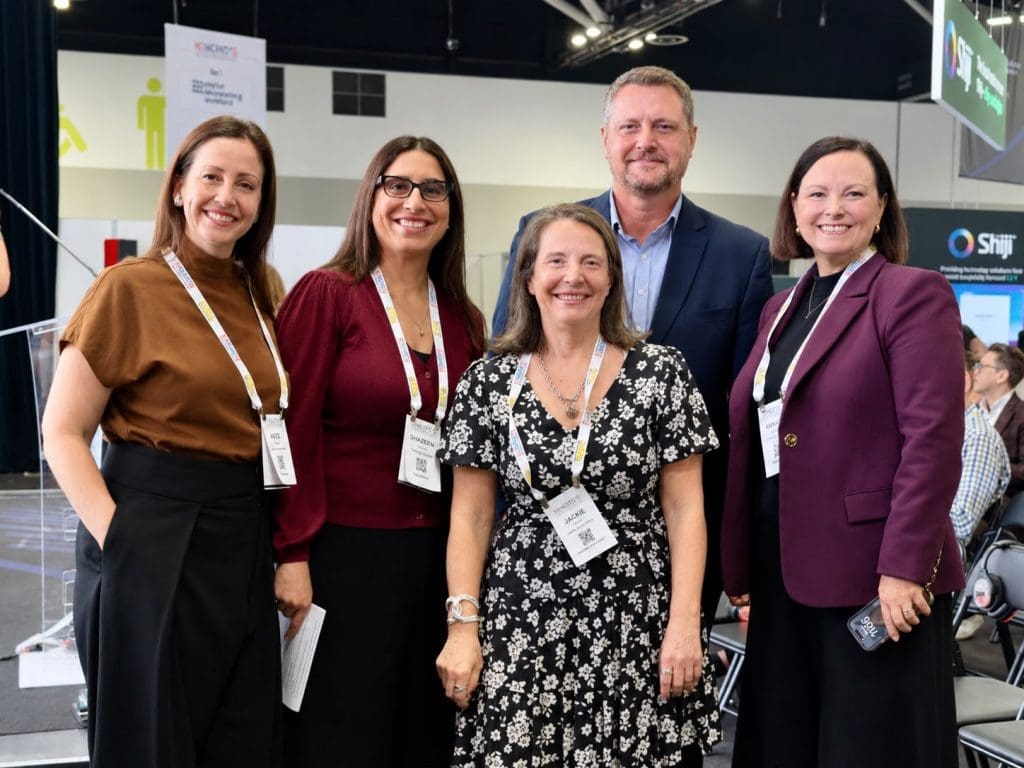
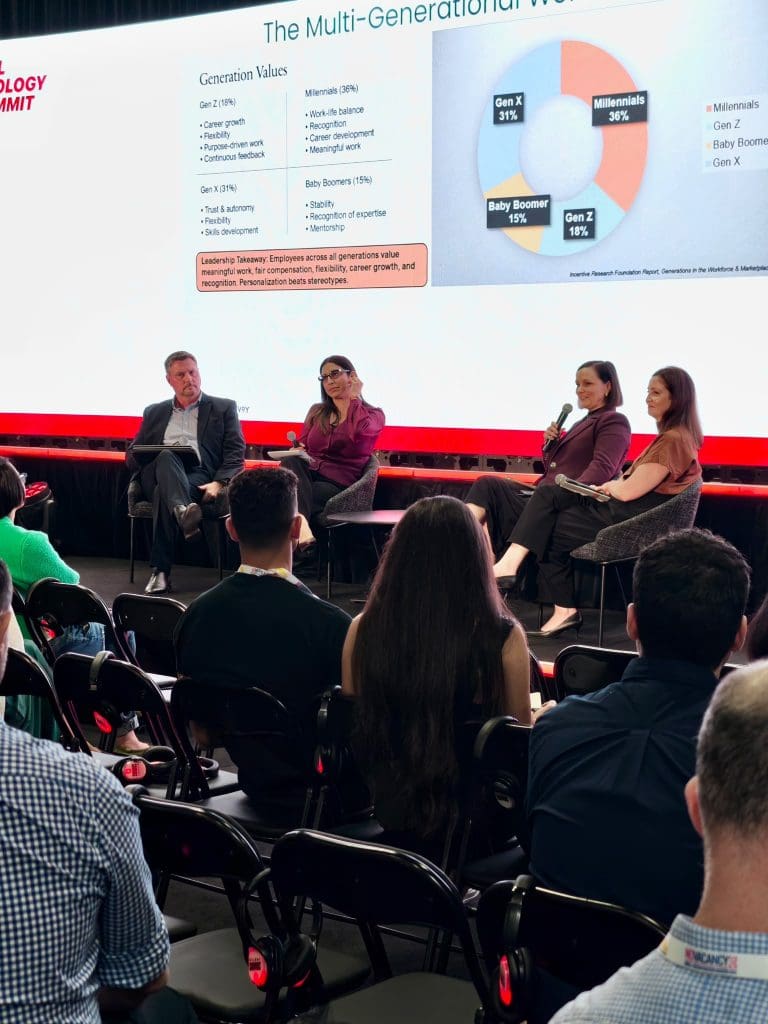
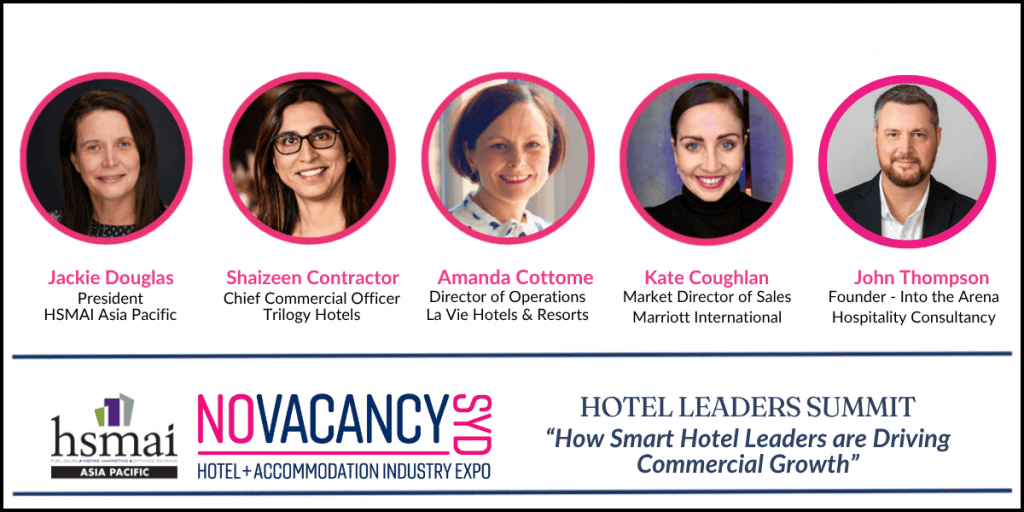
Panellists: Kate Coughlan, Shaizeen Contractor, Amanda Cottome
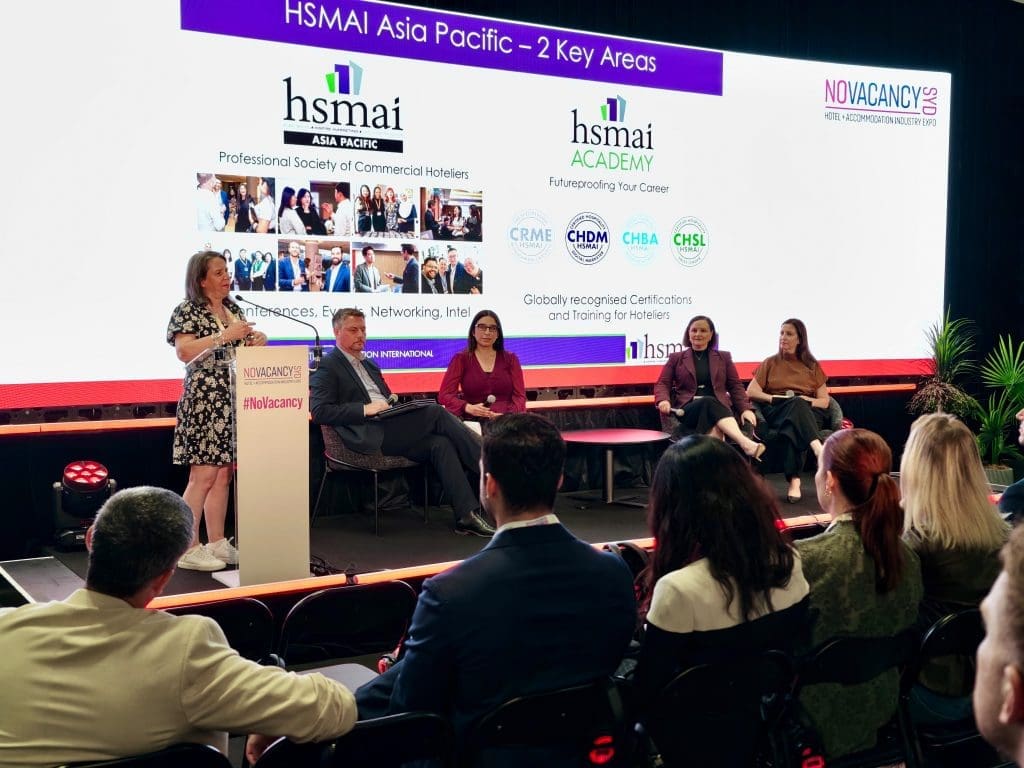
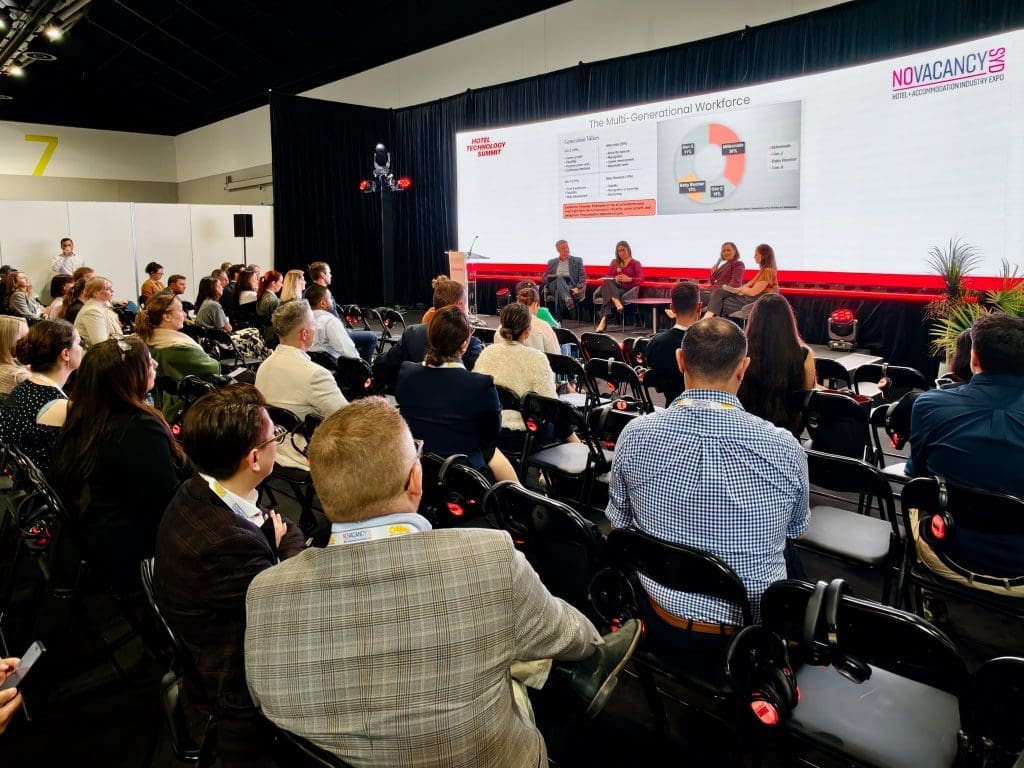
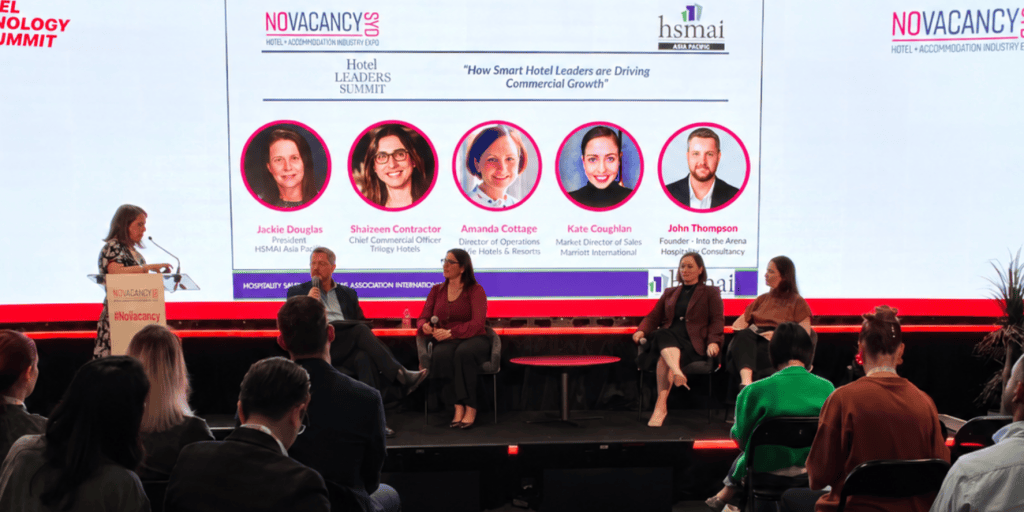
In September 2026, HSMAI convened a panel of hotel leaders at the No Vacancy tradeshow in Sydney to explore a question that is becoming increasingly important across the industry:
how do we turn changing customer and employee expectations, technology and data into practical actions that improve both guest experience and commercial performance?
The discussion pointed to something broader than tools or tactics. Commercial growth is increasingly becoming a leadership capability.
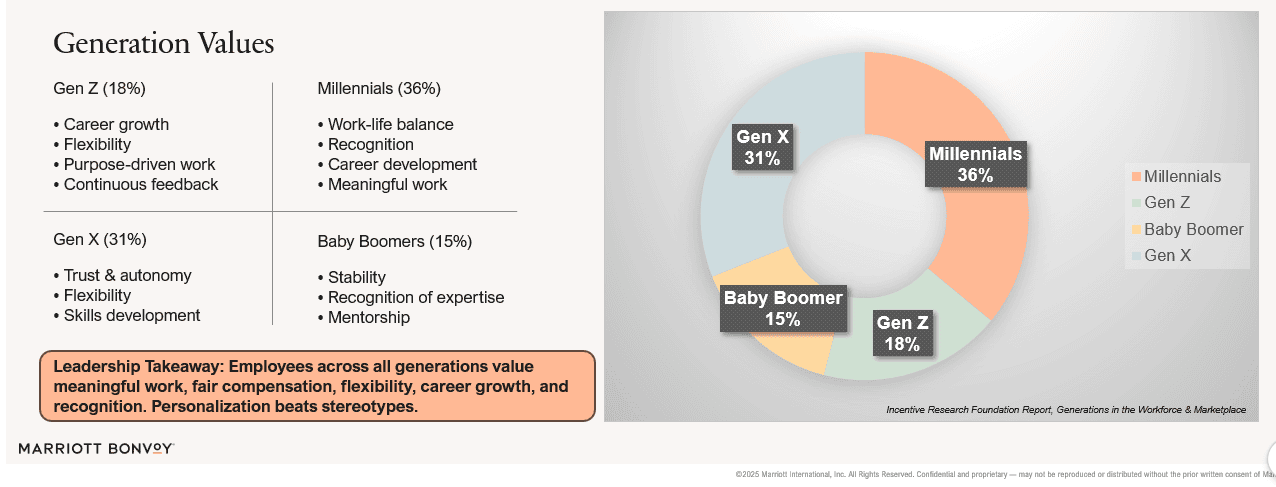
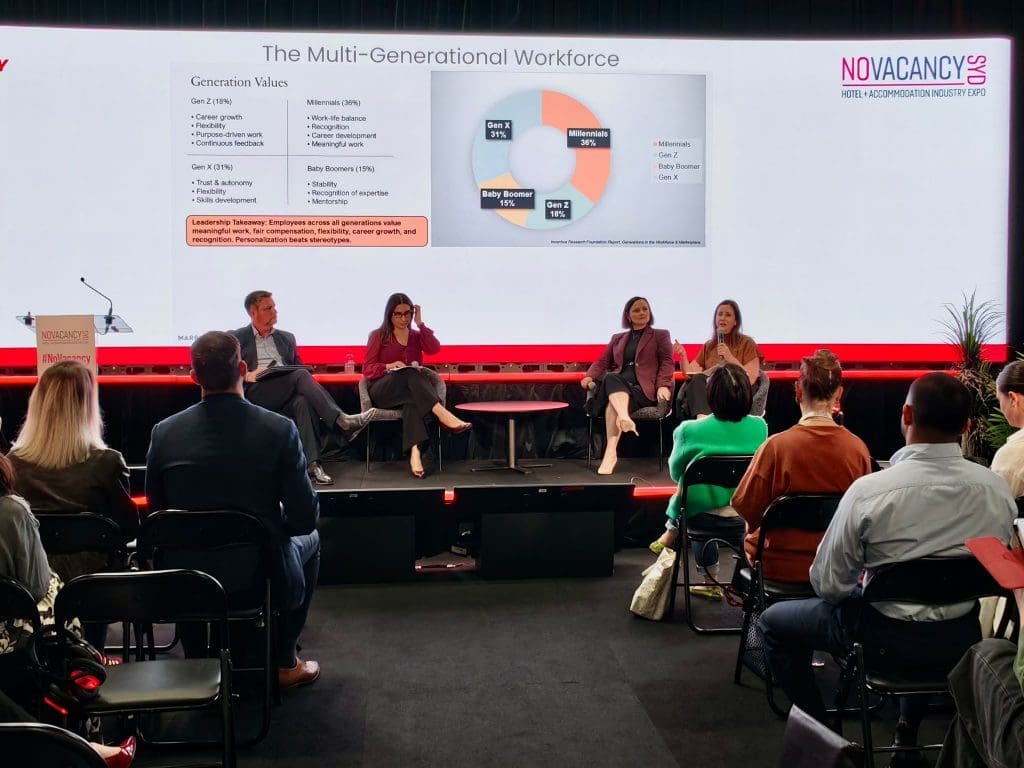
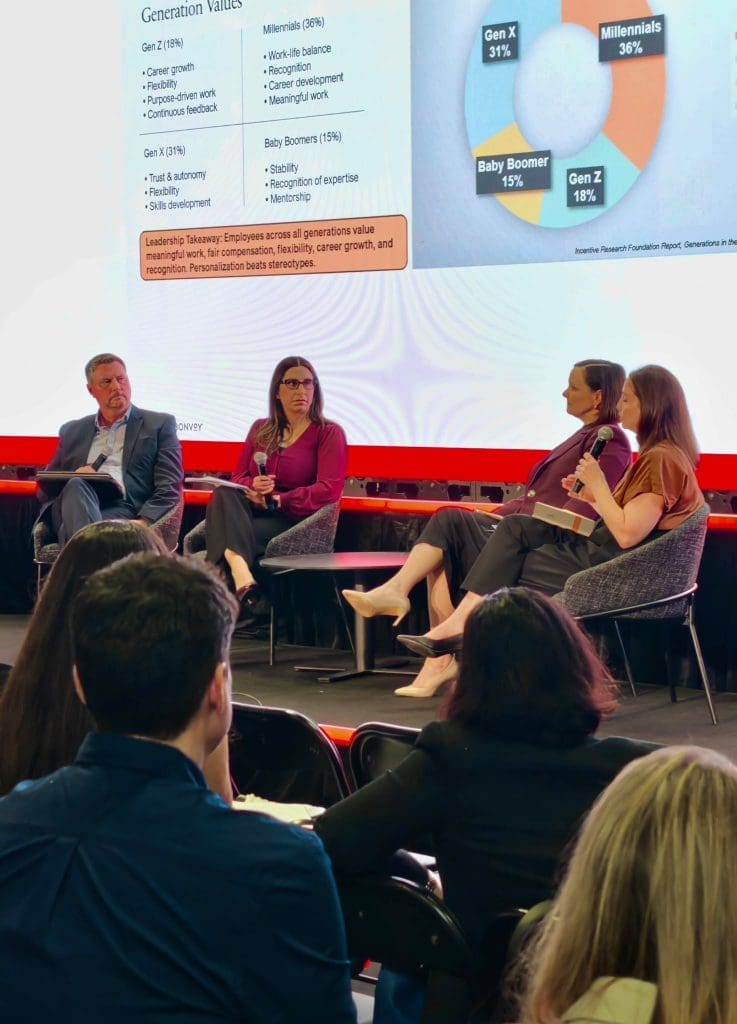
Hotels are operating in an environment where customer behaviour is shifting quickly, technology is creating new opportunities to remove friction, data is becoming more abundant and the demographic mix of both customers and employees is changing. Baby Boomers, Generation X, Millennials and Generation Z now coexist across the customer and workforce landscape, while Generation Alpha is beginning to influence family decisions and will soon enter the workplace.
These groups should not be treated as homogeneous. But the leadership reality is clear: the people buying hotel experiences and the people delivering them have been shaped by different expectations of technology, communication, work, service and choice.
The challenge is turning those differences into better decisions and better execution.
UNDERSTANDING THE CUSTOMER IS BECOMING MORE IMPORTANT, NOT LESS
Hotel leaders have access to more customer information than ever, but more information does not automatically create greater understanding.
Buyer behaviour is changing across leisure and B2B markets. Customers increasingly expect relevance, speed and seamless experiences, but their preferred ways of searching, communicating and buying vary considerably.
A guest who has spent decades booking through established channels may behave very differently from someone whose default journey is mobile, social, conversational and increasingly AI-Agentic led.
Neither is more important. Hotels increasingly need to serve both.
That means commercial leaders need to understand actual customer behaviour rather than rely too heavily on broad demographic assumptions. Data, direct feedback and local knowledge matter because generational labels can help frame questions, but they should never replace insight.
The same applies within hotel groups. Consistency matters, but so does local relevance. A centrally developed strategy only creates value if teams closest to the customer can adapt it intelligently to their market.
TECHNOLOGY SHOULD REMOVE FRICTION, NOT ADD TO IT
Hospitality has no shortage of technology. The more important question is whether it makes the experience easier for the guest and the operation easier for the team. Some customers actively want digital self-service and minimal friction. Others continue to value human interaction and reassurance. Increasingly, hotels need to support both without forcing every guest through the same journey.
Guest experience technology can reduce repetitive work, simplify transactions and create new revenue opportunities. But its broader value is often in freeing employees to focus on the interactions that create genuine differentiation.
A useful test for any technology investment is simple: does it make things easier for the customer, make the team more effective and create or protect commercial value?
If not, it may be adding complexity rather than capability.
THE RIGHT DATA MATTERS MORE THAN MORE DATA
For years the emphasis has been on collecting more information. The next challenge is collecting the right information and using it well. Good commercial decisions depend on understanding the customer early enough to influence behaviour, not reconstructing that understanding after the event.
Data should also challenge assumptions. It is easy to assume younger customers want one thing and older customers another, or that a particular market behaves predictably. Reliable data allows leaders to test those beliefs against what customers are actually doing.
The strongest commercial organisations will not necessarily have the largest data sets. They will know which information matters and be willing to change course when the evidence challenges their existing view.
THE WORKFORCE IS CHANGING TOO
Changing demographics are not simply a customer issue. They are reshaping commercial teams.
As experienced Baby Boomer leaders leave the workforce, Generation X and Millennials move further into senior leadership, and Generation Z becomes a larger part of commercial teams, organisations are managing a wider range of expectations around technology, communication, development, feedback and work.
This creates an opportunity as much as a challenge.
Experienced leaders bring customer knowledge, commercial judgement and pattern recognition. Younger team members may bring different perspectives, digital fluency and a willingness to challenge established ways of working.
The mistake would be to decide that one is more valuable than the other. The opportunity is to combine them.
Commercial teams should enable knowledge to move in both directions. Senior leaders can transfer commercial judgement and experience. Younger colleagues can challenge legacy processes and introduce different ways of thinking and working.
That requires leaders to adapt how they coach and communicate. It does not mean lowering standards or accountability. It means recognising that getting the best from a changing workforce may require different leadership methods.
COMMERCIAL STRATEGY ONLY CREATES VALUE WHEN TEAMS CAN ACT ON IT
A strategy developed at executive, regional or corporate level has limited value if the people expected to deliver it do not understand what it means for their day-to-day decisions. This makes coaching a critical commercial leadership skill.
Leaders need to make priorities clear, explain why they matter and give teams enough context to make sound decisions without constant escalation. Learning also needs to move upwards. Frontline and emerging leaders often see changes in customer behaviour, technology and communication before they become obvious at executive level.
The strongest commercial cultures therefore create a feedback loop between strategy and execution, and between generations. A useful leadership question is: do our teams understand the commercial strategy well enough to make better decisions when we are not in the room?
If not, the issue may not be capability. It may be leadership.
CREATE ROOM FOR CALCULATED COMMERCIAL RISK
Hotels also need to become more comfortable with testing and learning. Not every commercial initiative will succeed, and leaders who demand certainty before action can unintentionally create organisations that move too slowly. The challenge is to distinguish between reckless risk and disciplined experimentation.
Teams need to know what they are empowered to test, what success looks like, what level of investment is acceptable and when to stop. This is especially important for younger employees. Leaders may want innovation, entrepreneurship and digital confidence, but those behaviours will struggle in cultures where every meaningful decision requires multiple approvals.
Empowerment needs boundaries, but boundaries need room.

THE REAL ADVANTAGE IS ALIGNMENT
Technology, customer insight, data and talent all matter, but none operates independently. Customer insight tells the organisation what is changing. Data tests whether that understanding is correct. Technology can enable a response. Commercial teams convert those capabilities into propositions and demand. Operational teams deliver the experience.
Leadership connects the pieces.
The real question is not whether an organisation has the right revenue strategy, marketing capability, guest technology, data platform or people. It is whether they are working together towards the same commercial outcome.
SIX QUESTIONS FOR HOTEL LEADERS
- How quickly can our teams identify and respond to changes in customer behaviour?
- Are we genuinely understanding different customer expectations, or relying on assumptions?
- Is our technology removing friction for guests and employees?
- Are we collecting the information we need to make better decisions?
- Are we adapting how we coach and empower an increasingly multigenerational workforce?
- Have we created enough room for teams to test, learn and act within clear commercial boundaries?
These are not simply commercial department questions.
They are leadership questions.
FROM COMMERCIAL STRATEGY TO COMMERCIAL CAPABILITY
The next phase of commercial growth in hospitality is unlikely to come from one new technology, one new channel or one new source of data. It will come from the organisation’s ability to convert change into action.
That includes adapting to two shifts happening at the same time: the customer is changing, and so is the workforce serving them. The leaders who succeed will understand both. They will combine experience with emerging thinking, technology with human judgement, central strategy with local relevance and clear expectations with adaptable leadership.
For smaller hotel groups and independent operators, there is a particular opportunity. They may not have the technology budgets or specialist resources of the largest global groups, but they can often learn, decide and adapt more quickly.
Scale is an advantage. So is speed.
Ultimately, smart commercial growth is not about having more tools or predicting how each generation will behave. It is about understanding people better, making better decisions and building organisations that can adapt as both continue to change.
It’s an exciting time to be a hospitality leader!