
Hong Kong Luxury & Lifestyle Roundtable Discussion: Key Insights for Hoteliers
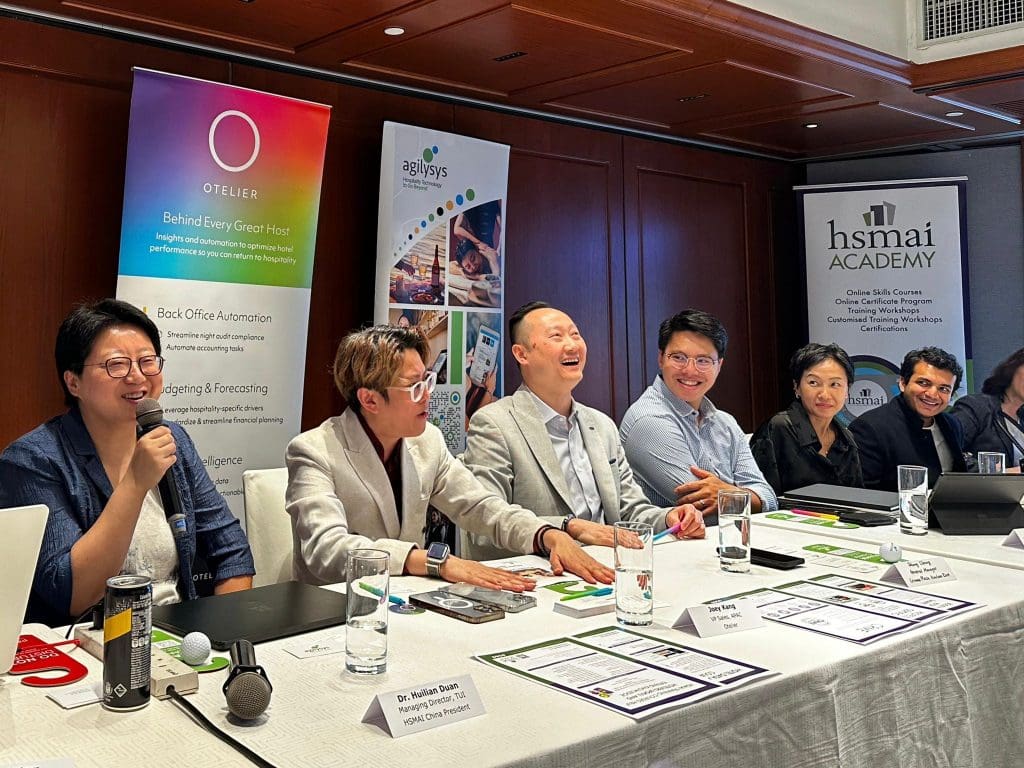
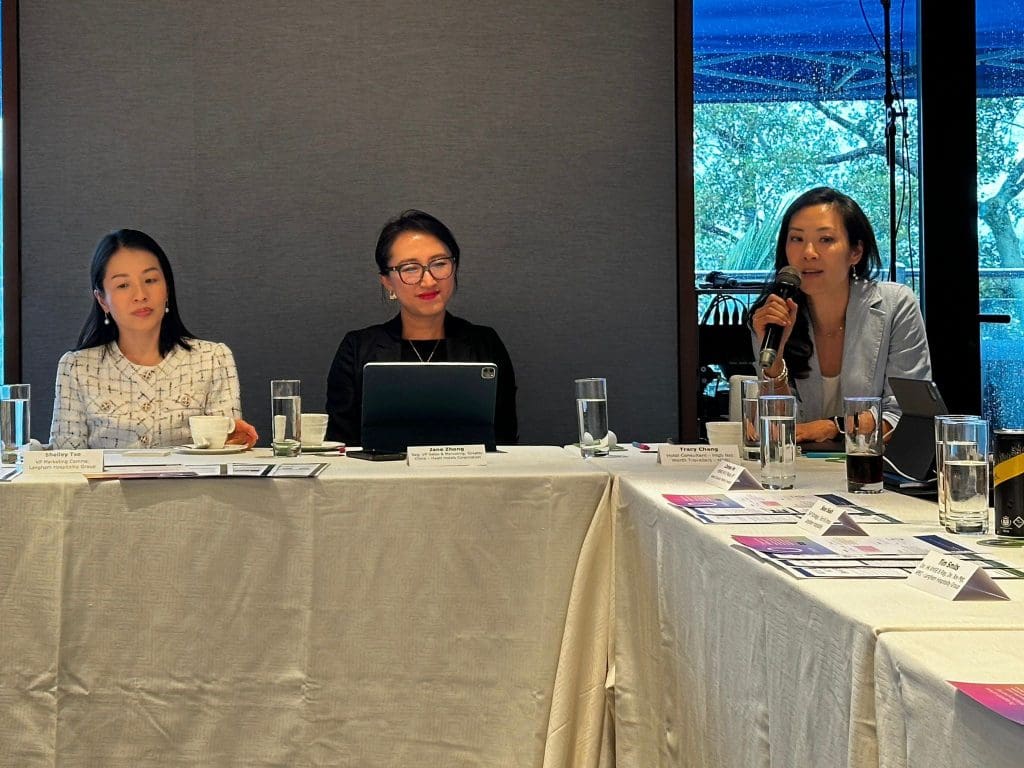
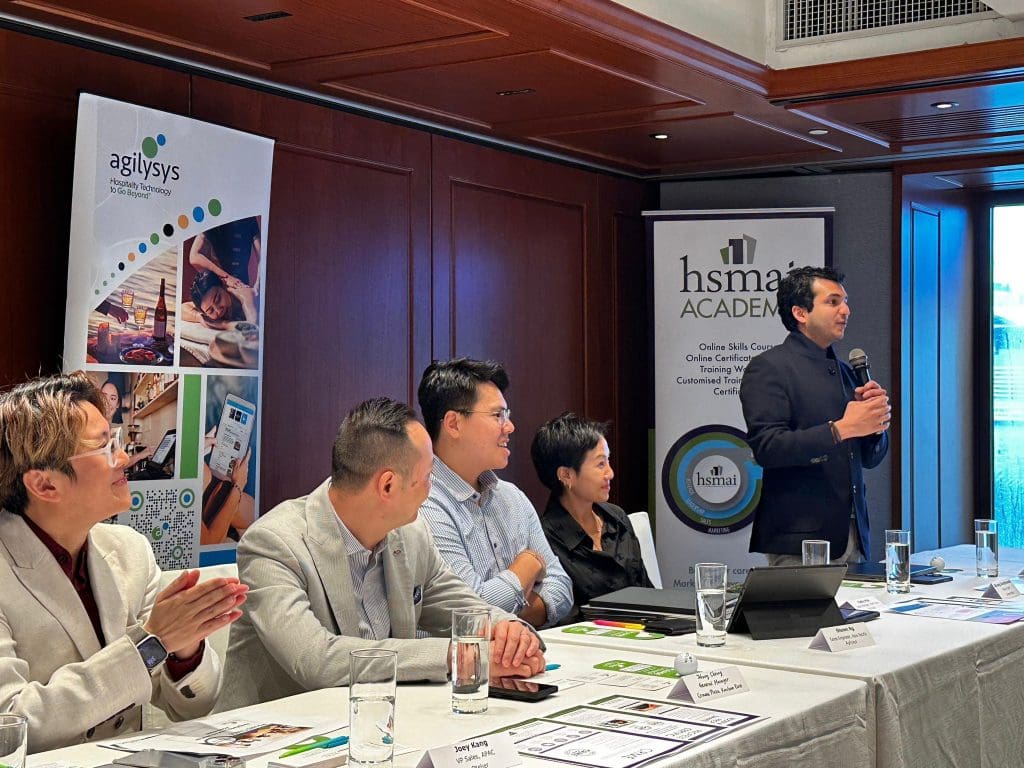
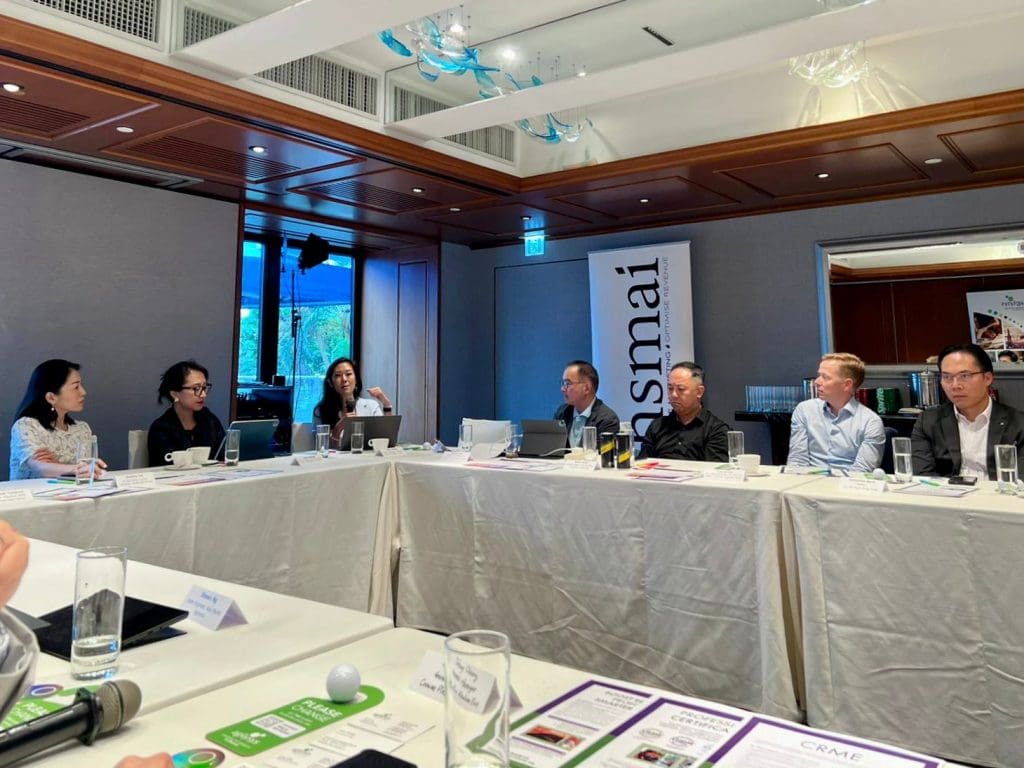
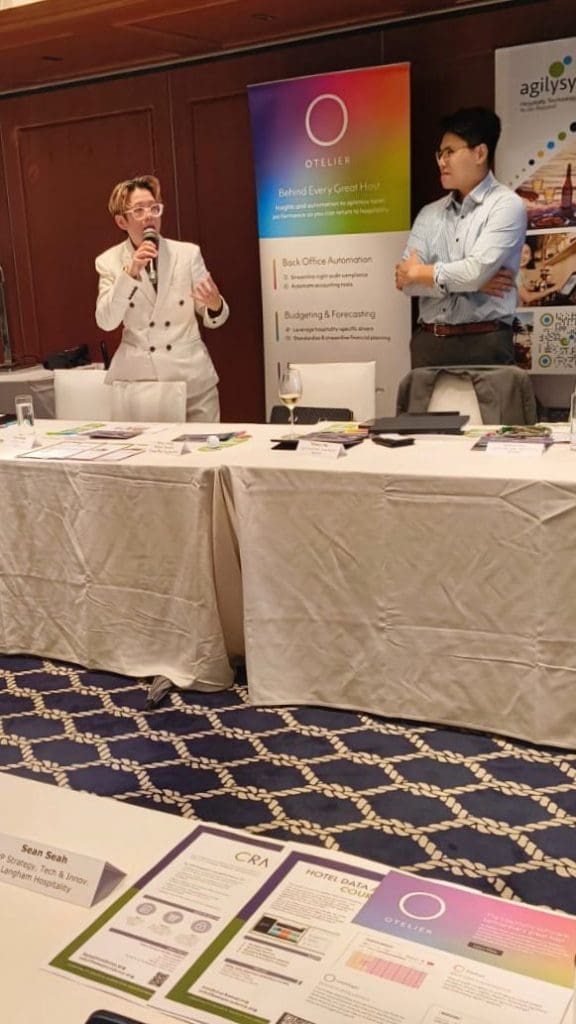
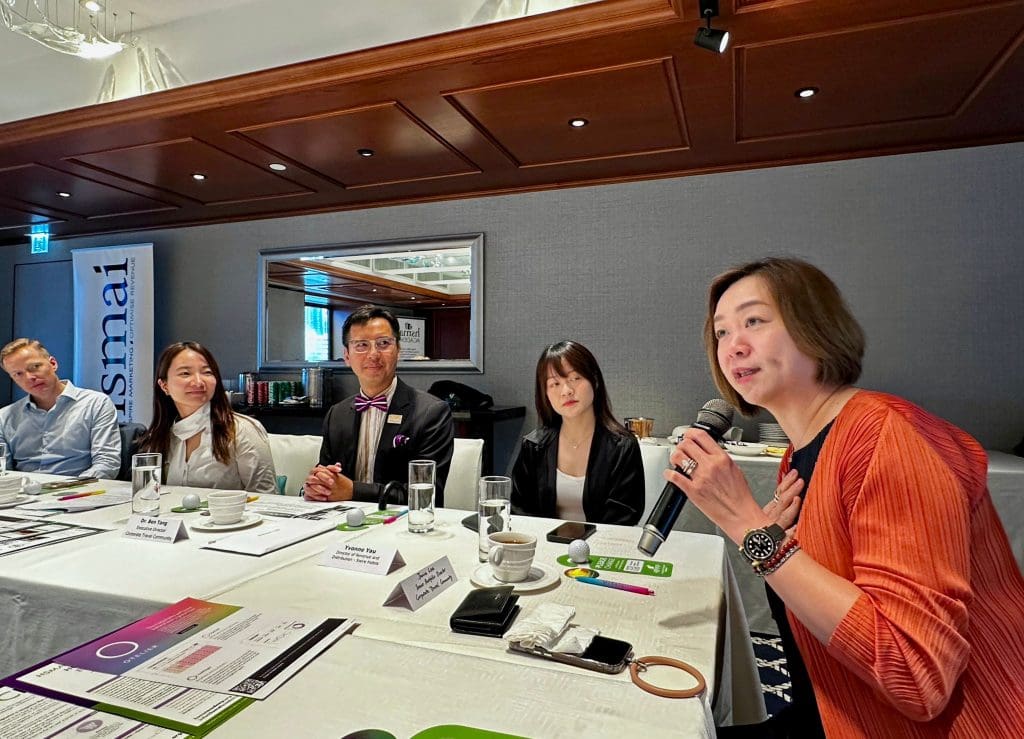
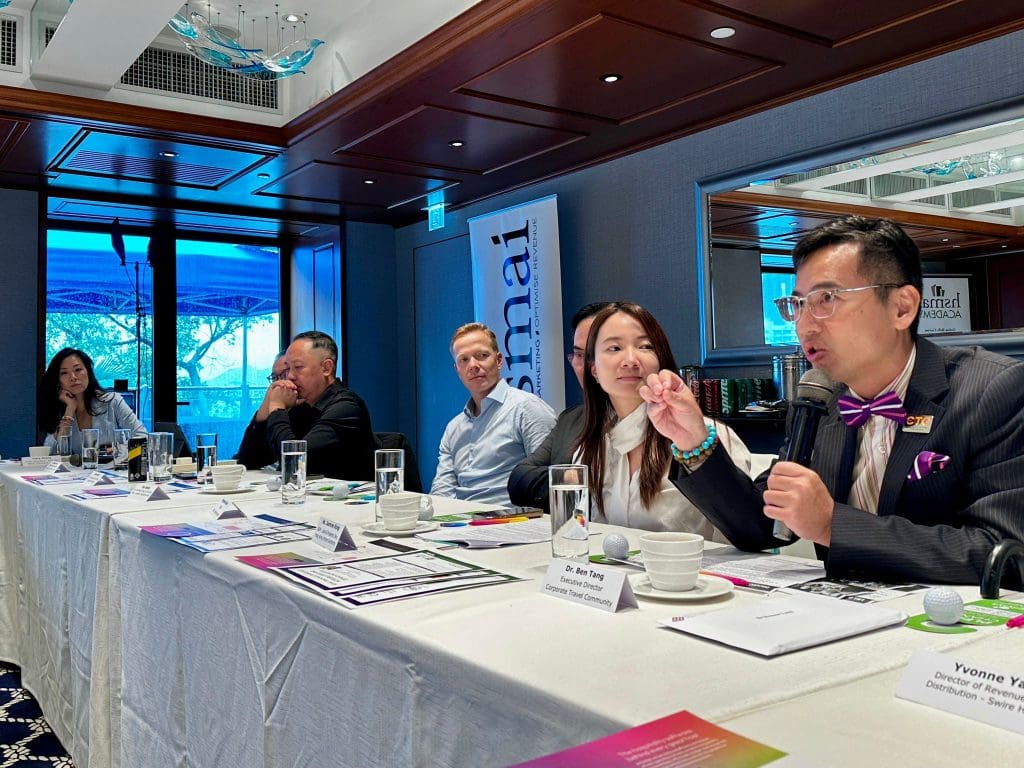
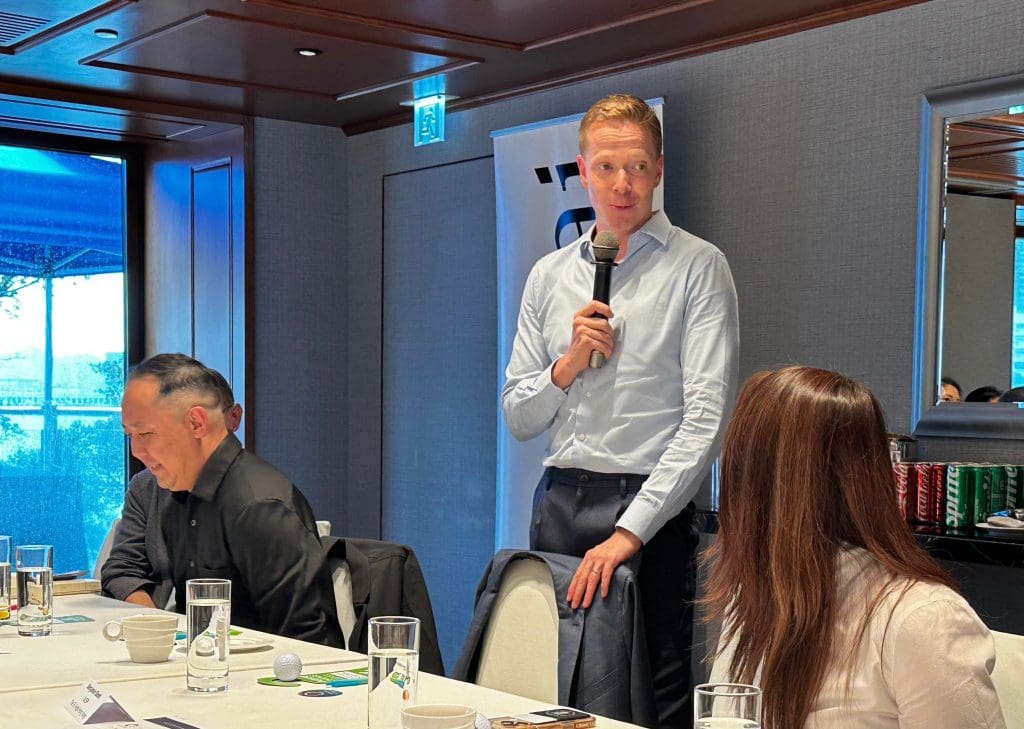
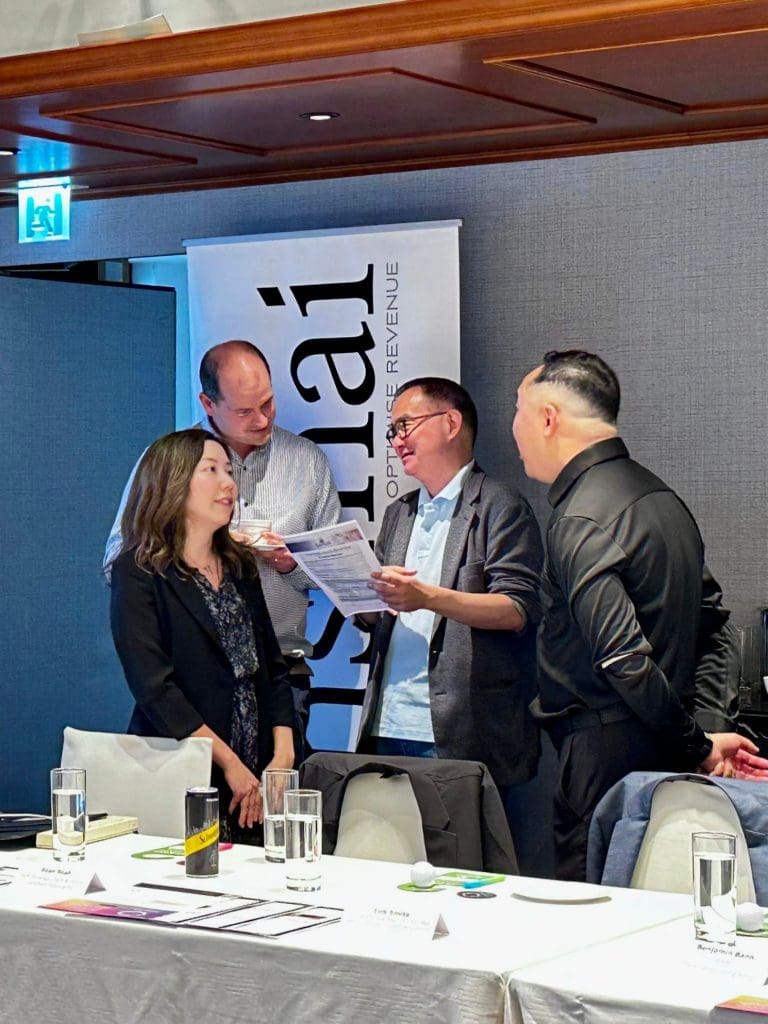
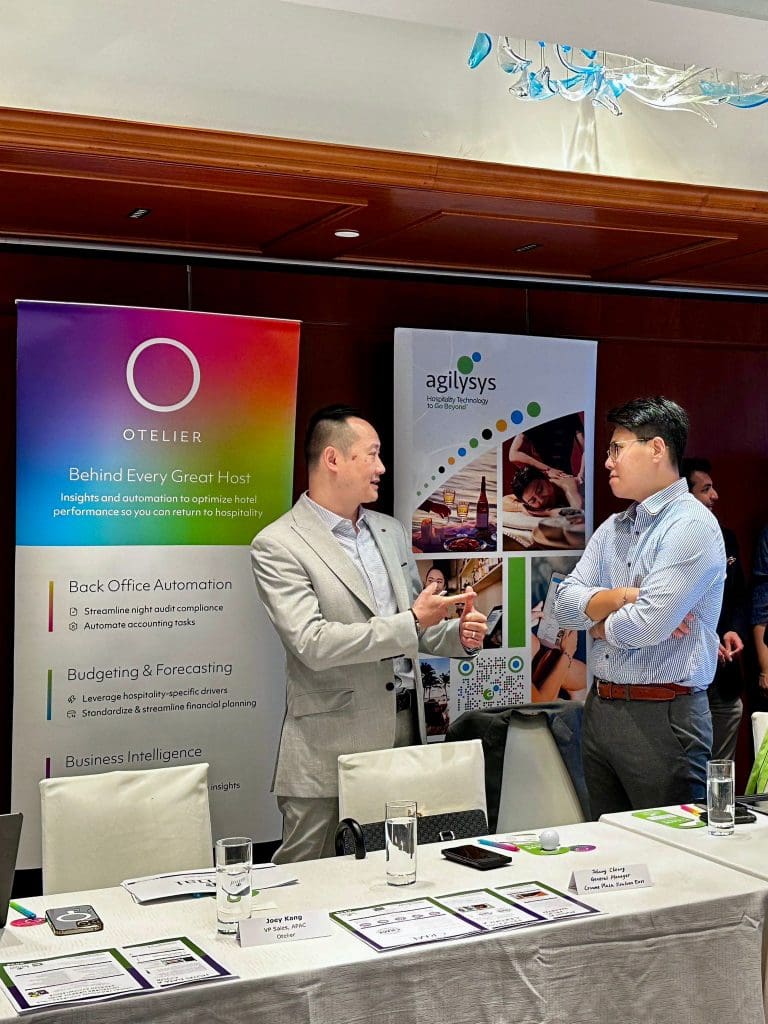
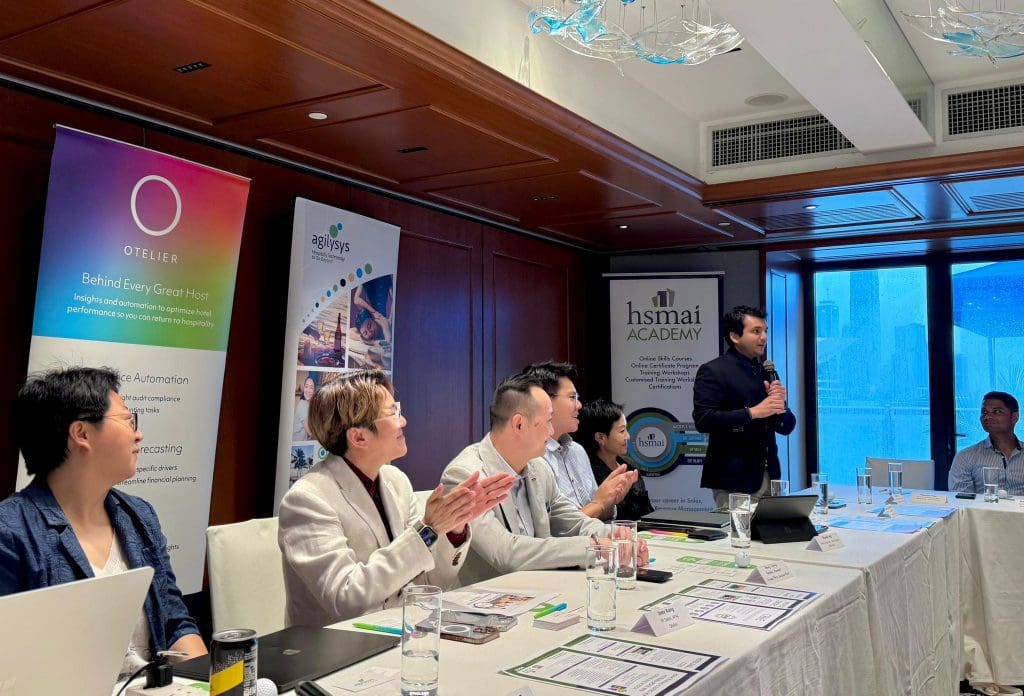
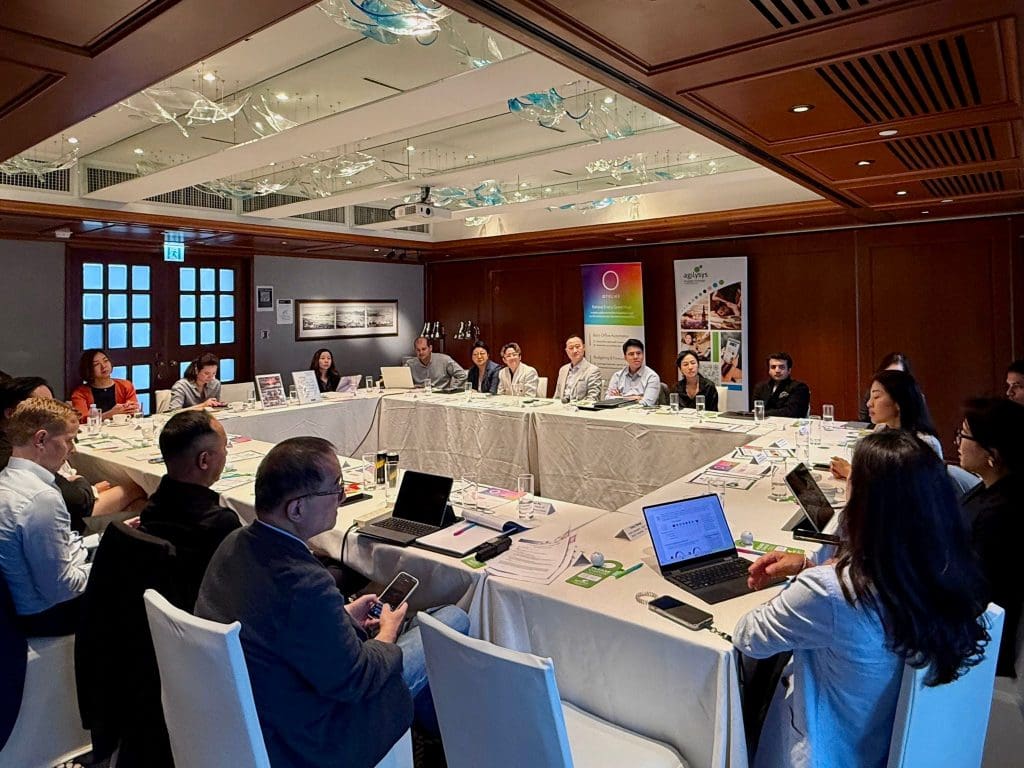
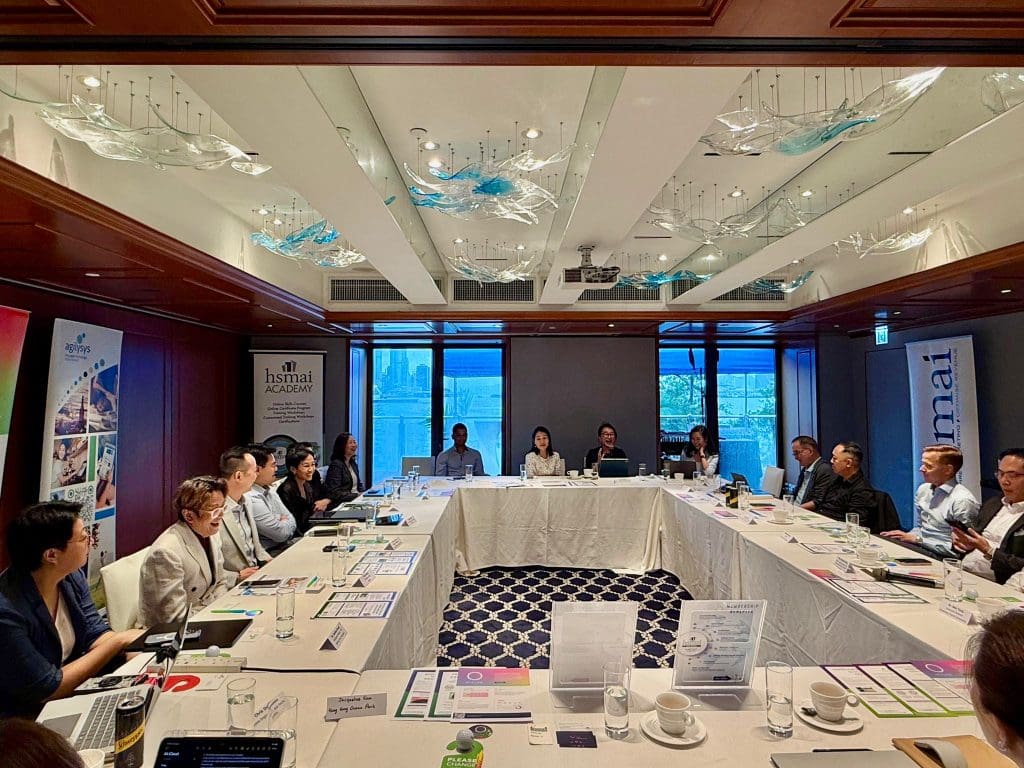
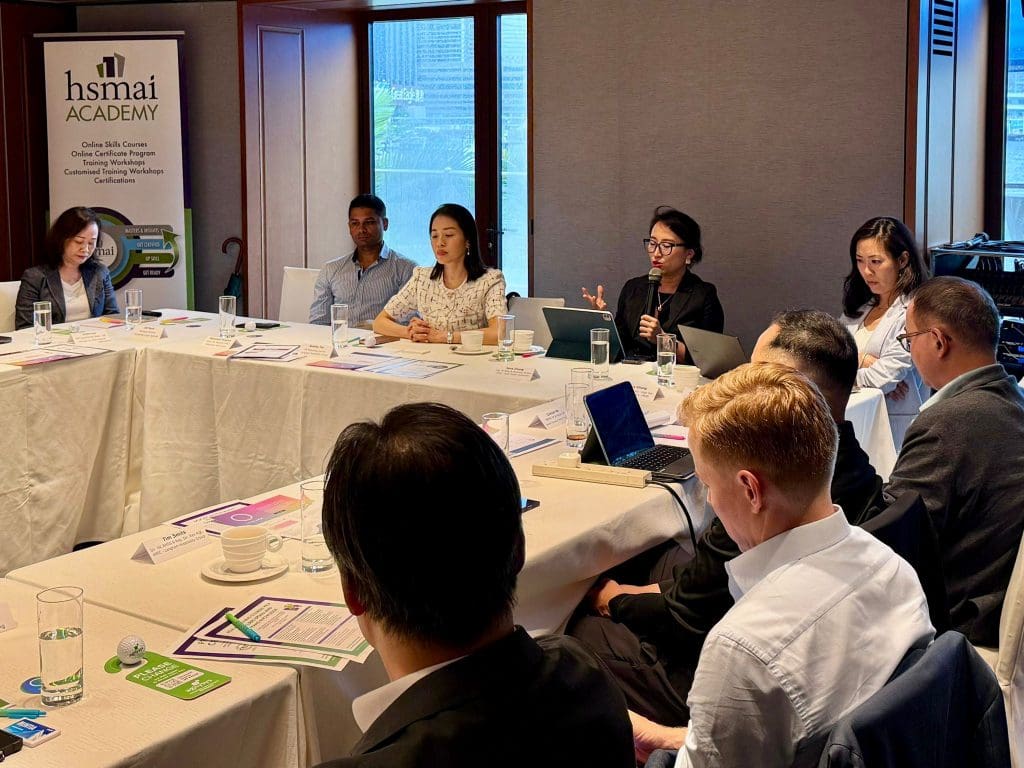
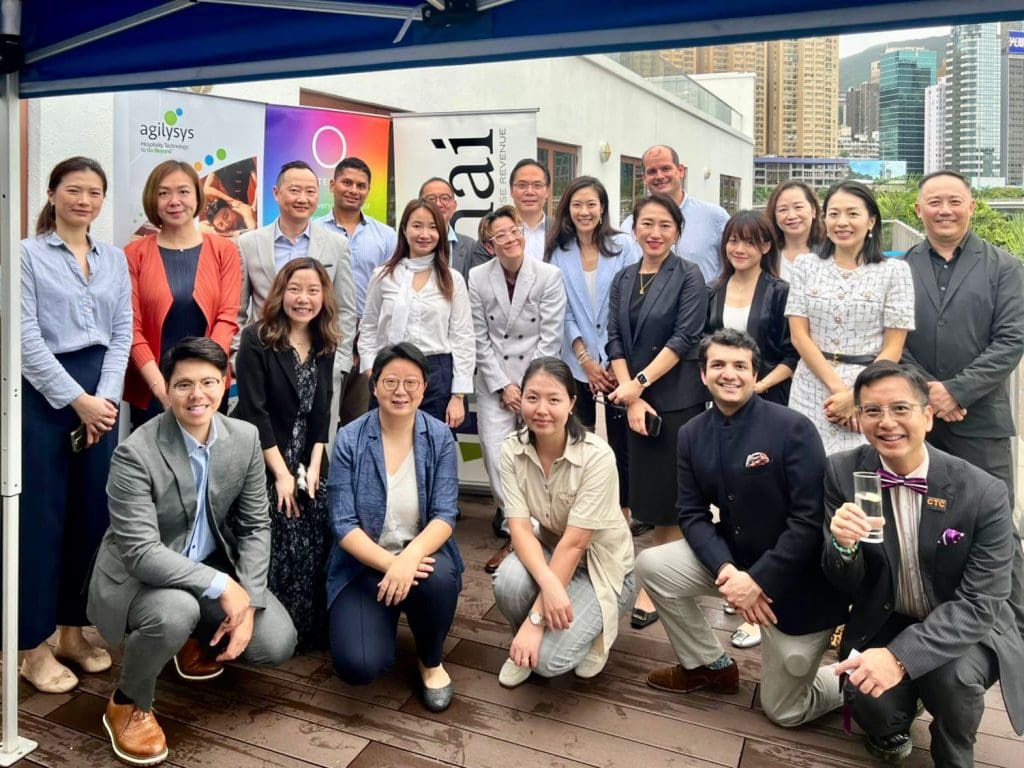
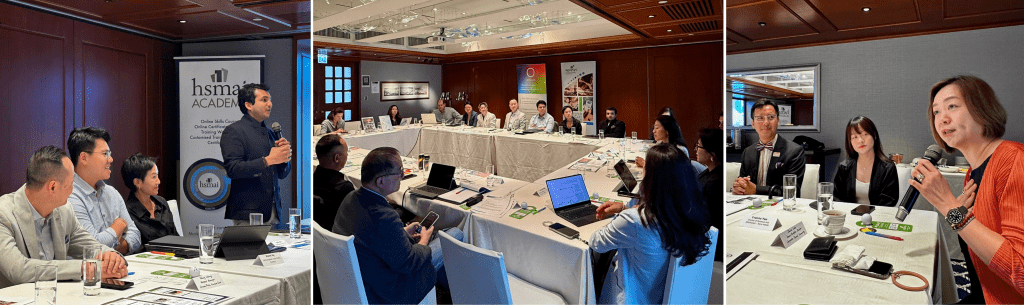
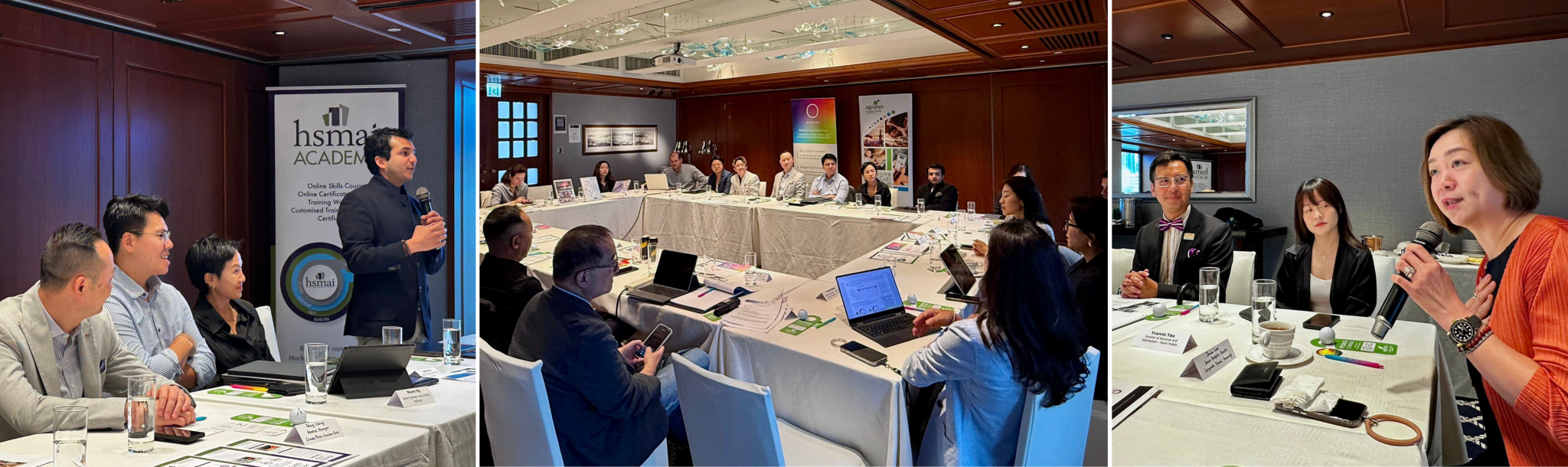
On 19th August 2025, the Hong Kong Luxury & Lifestyle Roundtable Discussion brought together leaders from the city’s luxury and lifestyle hotel community for an afternoon of meaningful conversations and knowledge sharing. Hosted at the prestigious Royal Hong Kong Yacht Club, the roundtable gathered senior hoteliers and general managers to explore emerging trends shaping the luxury hospitality landscape in Asia Pacific.
The event was organized by HSMAI Asia Pacific, as part of its ongoing mission to support hotel leaders in sales, marketing, and revenue optimization with forward-looking insights and collaborative dialogue.
Exploring Luxury and Lifestyle Hospitality
The roundtable discussions focused on four key themes designed to address the challenges and opportunities facing luxury and lifestyle hoteliers today:
1. CX & Personalization
Participants examined how technology and AI are transforming guest experience strategies. From hyper-personalized recommendations to seamless digital touchpoints, hoteliers discussed how to balance innovation with the human element that defines luxury service.
In luxury hospitality, service excellence is no longer enough—guests now expect experiences that feel uniquely their own. The discussion highlighted how hotels are using advanced guest data, CRM tools, and even AI-driven systems to anticipate needs, personalize offers, and craft journeys that extend beyond the room. At the same time, leaders stressed that technology should enable, not replace, the human connection that defines true luxury.
The conversation pointed toward hyper-personalization as the next frontier: tailoring dining, wellness, and cultural experiences to individual preferences without guests having to ask. Yet, attendees cautioned that emotional resonance—staff who notice subtle details and create authentic moments of delight—remains the essence of personalization. Balancing privacy with personalization was also flagged as critical, especially for high-end travelers who value discretion.
The consensus: the future lies in harmonizing high-tech with high-touch. Hotels that can seamlessly blend data-driven insights with genuine warmth will set the benchmark for luxury guest experiences in Asia Pacific.
2. Shifting Demographics
The rise of Gen Z and Millennial travelers was a central point of discussion. Unlike previous generations, these guests seek authentic, experiential stays that reflect their values and lifestyles. The conversation also touched on the evolving expectations of ultra-high-net-worth individuals (UHNWIs) and how hotels can adapt to meet the needs of multi-generational luxury travel parties.
The luxury travel market in Asia Pacific is undergoing rapid change, with younger generations and new source markets reshaping demand. While Baby Boomers and Gen X remain important, Millennials and Gen Z are increasingly driving growth, bringing with them different expectations: they value experiences over possessions, authenticity over formality, and sustainability as a core part of the luxury promise.
Roundtable participants noted the rise of new wealth from emerging Asian markets, alongside traditional feeder markets like Mainland China. This shift requires hotels to adapt their offerings, from digital-first guest engagement to designing lifestyle-driven experiences that resonate across cultures and age groups.
The takeaway was clear: luxury is no longer defined solely by opulence—it’s about meaningful, personalized experiences. Hoteliers who can cater to this evolving mix of travelers will be best positioned to capture long-term loyalty in a competitive market.
3. Impact of Experiential & Transformational Travel
Luxury travel is no longer just about opulence; it’s about creating transformative experiences. From collaborations with artists and chefs to wellness-focused retreats, hoteliers debated how to curate stays that move beyond “Instagram moments” and deliver deeper meaning to discerning guests.
Luxury travelers today are seeking more than relaxation—they want experiences that transform how they feel and think. The discussion highlighted how hotels are curating journeys that immerse guests in local culture, wellness, and storytelling. From chef-led culinary explorations to mindfulness retreats, these moments go beyond a stay; they leave guests with memories that connect them deeply to place and purpose.
Participants agreed that experiential travel is increasingly tied to personal growth and authenticity. Guests expect hotels to serve as facilitators of discovery, whether through partnerships with local artisans or creating bespoke adventures that align with individual passions. This trend is shifting luxury from being product-driven to being experience-led, with transformational moments becoming the true markers of value.
The conclusion: hotels that weave transformation into their offerings—balancing indulgence with enrichment—will stand out as leaders in the evolving luxury landscape.
4. 2026 Outlook
Looking ahead, the luxury hospitality sector in Asia Pacific faces both unprecedented opportunity and heightened complexity. Demand from high-net-worth travelers is expected to accelerate, but so too are pressures from rising costs, shifting distribution channels, and the need to invest in technology that enhances—not dilutes—the guest experience. Executives at the Roundtable underscored the importance of preparing now for a marketplace that will be more competitive, digital, and values-driven by 2026.
Participants pointed to China’s outbound recovery, the growing influence of Gen Z luxury travelers, and the premium placed on sustainability as defining factors for the future. Hotels will need to balance scale with exclusivity, leveraging data and personalization at speed while maintaining the human touch.
The consensus: success in 2026 will belong to those brands that can stay agile—blending innovation with authenticity—while anticipating the evolving desires of tomorrow’s luxury guest.
Why It Matters for Hotel Leaders
For hotel general managers, sales and marketing leaders, and senior executives, the roundtable offered practical insights into how to:
- Leverage technology and AI to elevate customer experiences.
- Tailor offerings to the next generation of luxury travelers while still catering to UHNWIs.
- Move beyond accommodation by creating transformational guest journeys.
- Anticipate future market shifts to ensure sustainable revenue growth.
These conversations reinforced the importance of collaboration among hotel & industry leaders—sharing ideas, experiences, and strategies to advance the capability of commercial management in the hospitality sector.
About HSMAI
HSMAI (Hospitality Sales & Marketing Association International) is a global, non-profit organization dedicated to growing business for hotels and their partners. Established in the United States in 1927, HSMAI facilitates education, certifications, and forums that empower hoteliers to thrive in a fast-changing marketplace. Join the Conversation, explore upcoming events and professional development opportunities at asia.hsmai.org.