

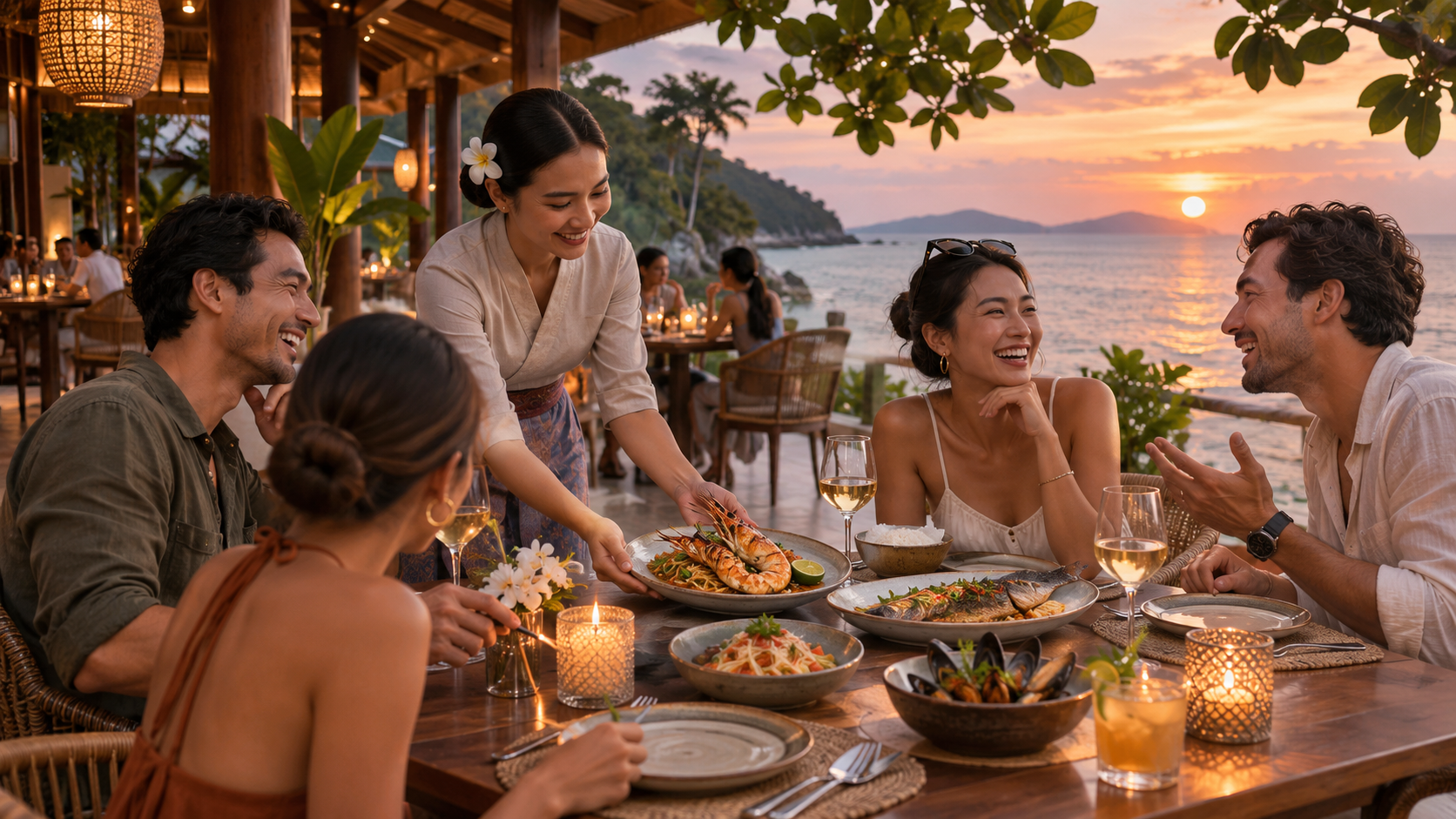
Beyond the Room Key: Turning Hotel Restaurants into Dining Destinations
How can hotels attract diners beyond their in-house guests and position their restaurants as destinations in their own right?
Hotel restaurants have traditionally relied heavily on in-house guests to generate food and beverage revenue. However, with growing competition from independent restaurants, beach clubs and other dining venues, resorts have an opportunity to reach a much wider audience.
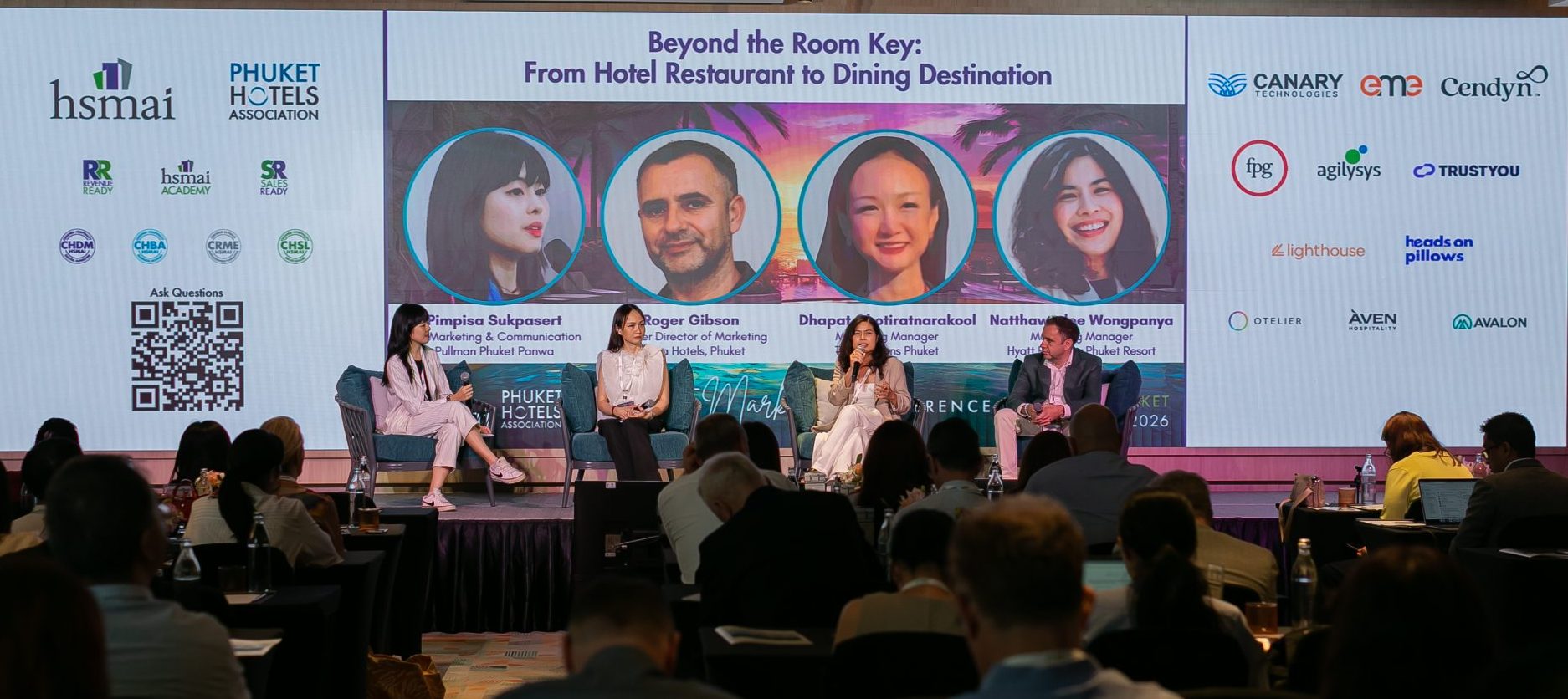
At the HSMAI and Phuket Hotels Association Resort Marketing Conference 2026, held in Phuket on 7 October, hospitality marketing professionals explored how hotel restaurants can strengthen their identity, attract local residents and visitors staying elsewhere, and turn dining experiences into profitable business.
The discussion, Beyond the Room Key: From Hotel Restaurant to Dining Destination, highlighted the importance of restaurant branding, digital discoverability, influencer marketing, event collaborations and convenient booking experiences.
1. Build a Restaurant Brand That Stands on Its Own
One of the biggest challenges for hotel restaurants is overcoming the perception that they are primarily intended for hotel guests.
Potential diners may assume that restaurants within hotels are more expensive, formal or difficult to access than independent venues. These perceptions can discourage guests before they have even considered making a reservation.
Developing a distinct restaurant identity can help remove this barrier.
Casa Boho at Hyatt Regency Phuket Resort provides an example of this approach. The Latin American-inspired dining venue has its own branding, website and social media presence, allowing it to compete with Phuket’s broader dining and entertainment scene.
Rather than relying entirely on the hotel’s reputation, the restaurant markets its cuisine, cocktails, sunset views and social atmosphere as reasons to visit.
For hoteliers, the lesson is to consider whether their restaurants have a clear identity and value proposition beyond being part of a hotel.
A distinctive brand, supported by dedicated digital channels and consistent messaging, can help a restaurant reach customers who may never have considered visiting the property.
2. Market the Occasion, Not Just the Restaurant
Successful restaurant marketing begins with understanding why customers want to dine out.
Guests may be searching for a romantic sunset dinner, a birthday celebration, a lively evening with friends or a memorable dining experience during their holiday.
These occasions create opportunities to reach audiences who may not be searching for a particular hotel or restaurant by name.
For example, someone searching online for the best sunset dinner in Phuket could discover a resort restaurant because its content highlights the experience they are looking for.
This approach has implications for both advertising and organic search.
Hotel restaurants should consider:
- Creating website content around specific dining experiences and occasions.
- Maintaining accurate, dedicated Google Business Profiles.
- Using relevant local search terms in website descriptions and content.
- Promoting distinctive features such as sea views, live entertainment, signature menus and themed evenings.
- Developing campaigns that appeal to different customer needs throughout the year.
The objective is to make restaurants discoverable through the experiences they offer, rather than relying solely on the hotel’s name.
3. Turn Digital Discovery into Restaurant Bookings
Generating awareness is only the beginning. Restaurants must also make it easy for interested customers to take the next step.
Third-party reservation platforms, including SevenRooms and Chope, can help diners discover new venues and make bookings. However, direct reservations also provide opportunities for restaurants to build stronger customer relationships.
Once a guest is familiar with a restaurant, encouraging direct bookings can support repeat visits, personalised communications and greater control over the customer relationship.
The booking experience itself is equally important.
Customers who discover an event or dining promotion through social media should be able to reserve a table quickly, without lengthy forms or unnecessary exchanges of messages.
For special events, deposits can also help restaurants manage attendance and reduce the risk of no-shows.
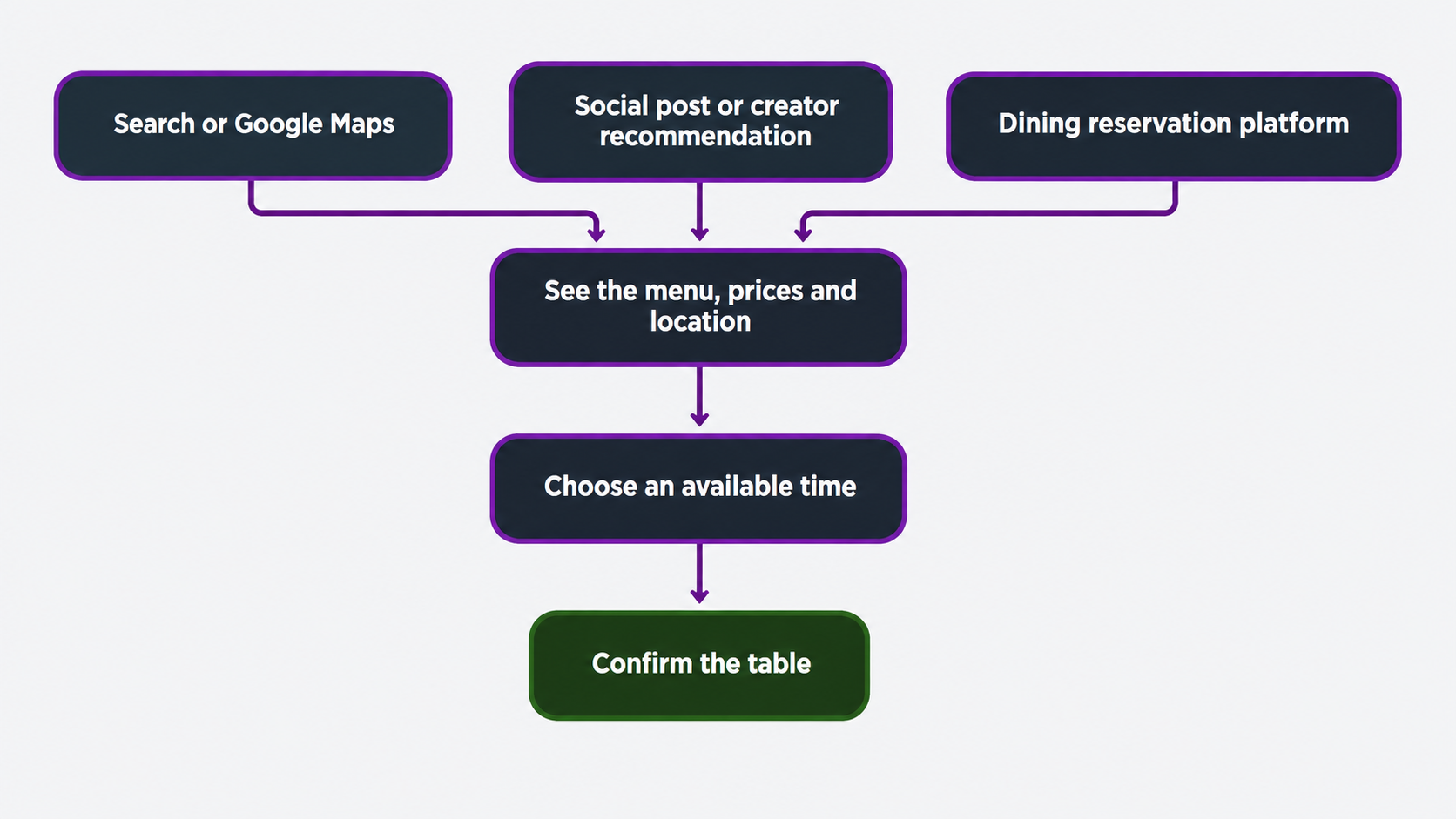
The underlying principle is straightforward: every marketing campaign should provide a clear and convenient path from discovery to reservation.
From “Sunset Dinner in Phuket” to a confirmed table:
4. Focus on Influencer Relevance, Not Just Follower Numbers
Influencer marketing remains an important tool for food and beverage promotion, but the size of an influencer’s audience does not necessarily determine the commercial value of a collaboration.
Large influencers can provide substantial exposure and support brand awareness. However, their followers may be spread across different countries or have interests unrelated to dining.
Local food creators and micro-influencers often reach more relevant audiences, particularly people who live in or regularly visit the destination.
For restaurants, selecting the right influencer should involve examining audience interests, location and engagement rather than follower numbers alone.
Measuring success also requires looking beyond likes and impressions.
Useful indicators include:
- Comments, shares and recommendations between followers.
- Increased visits to restaurant websites or booking pages.
- Enquiries through WhatsApp or other communication channels.
- Growth in restaurant reservations following influencer activity.
Influencer campaigns should also be planned around business needs.
For example, restaurants preparing for Phuket’s quieter months could schedule influencer visits and content releases ahead of the low season to generate interest when additional demand is most valuable.
Did the post fill tables?
Give each creator a trackable booking link where possible. After the campaign, review the enquiries and confirmed reservations you can attribute to it.
5. Create Experiences That Give Customers a Reason to Book
Chef collaborations, guest mixologist appearances, themed dinners and special dining events can create additional reasons for customers to visit.
Unlike a regular menu promotion, a one-off experience introduces a sense of occasion and urgency. Limited availability may encourage customers to make a reservation rather than postpone their decision.
Collaborations also allow participating restaurants and chefs to reach each other’s audiences.
However, effective partnerships require careful coordination.
Before launching an event, participating businesses should agree on commercial arrangements, responsibilities, promotional materials, campaign timing and booking processes.
A coordinated campaign can then build interest through several stages, beginning with an announcement or teaser, followed by the introduction of participating chefs or venues, and finally a clear booking invitation.
Early-bird offers and limited-seat messaging may provide additional incentives, provided they reflect genuine availability.
The objective is not simply to create an event, but to turn that event into measurable restaurant business.
6. Don’t Overlook the Guests Already Staying at the Hotel
While attracting external customers is important, resorts should not overlook opportunities to increase dining revenue from their existing guests.
Even guests staying several nights may be unaware of all the restaurants or experiences available within their hotel.
This highlights the importance of communication throughout the guest journey.
Hotels can improve awareness through pre-arrival information, digital guest communications, in-room materials, restaurant signage and recommendations from front-office teams.
Menus and promotions should also reflect the needs of the property’s guest mix.
For international resorts, this may mean providing appropriate options for important source markets while maintaining a strong offering of authentic local cuisine.
In Thailand, for example, excellent Thai food remains an essential part of the guest experience. Hotel restaurants must offer sufficient quality and value to compete with the many dining options available outside the property.
7. Prepare for AI-Driven Discovery Without Losing the Human Touch
Artificial intelligence is beginning to influence how travellers research dining options and make decisions.
As AI-powered search and recommendation tools develop, restaurants may increasingly be discovered through personalised requests based on cuisine, atmosphere, location and individual preferences.
This makes accurate, accessible and well-structured restaurant information increasingly important.
Hotels should ensure that their restaurant websites and digital profiles clearly communicate their offerings, facilities, menus and distinctive experiences.
However, technology alone cannot create a memorable dining destination.
As AI-generated content becomes more widespread, authentic experiences and human connections may become even more important points of differentiation.
Restaurants need to deliver the experience promised through their marketing, ensuring that guests remember the food, service, atmosphere and personal interactions—not simply the photographs they took.
8. Collaboration Can Strengthen an Entire Destination
Individual restaurant marketing is important, but destination-wide collaboration can create opportunities that extend beyond a single property.
The PHOODIE Phuket Food Festival, an initiative involving the Phuket Hotels Association, was highlighted during the discussion as an example of bringing hotel restaurants and independent dining venues together through shared promotion and special experiences.
By collaborating under a broader destination campaign, restaurants can introduce their offerings to new audiences while strengthening Phuket’s reputation as a dining destination.
This approach demonstrates the potential for hotels to work collectively with local businesses, chefs and industry associations to create demand.
The Commercial Opportunity for Hotel Restaurants
The most important shift is to recognise that a hotel restaurant is competing in the wider dining market—not simply against restaurants within other hotels.
To succeed, venues need compelling identities, relevant marketing, memorable experiences and convenient booking journeys.
They must understand what motivates customers to visit, use digital channels to reach the right audiences and measure whether their promotional activity generates actual reservations.
For hotel commercial teams, food and beverage marketing should be treated as an integral part of the property’s revenue strategy.
The opportunity is to turn restaurants from amenities serving hotel guests into destinations that attract customers in their own right.
This article draws on the panel discussion “Beyond the Room Key: From Hotel Restaurant to Dining Destination” at the HSMAI Asia Pacific Resort Marketing Conference 2026, held in partnership with the Phuket Hotels Association.