

Where Will Phuket’s Next Wave of Profitable Demand Come From?

From India’s evolving travel market to wellness, celebrations and business events, Phuket’s next growth opportunity may depend less on attracting more visitors and more on understanding which guests deliver the greatest value.
Phuket has long been one of Asia’s most recognisable resort destinations. Its beaches, luxury accommodation and diverse experiences continue to attract international travellers. But as competition intensifies and guest expectations evolve, a more important question is emerging for the island’s hospitality industry: Where will the next wave of profitable demand come from?
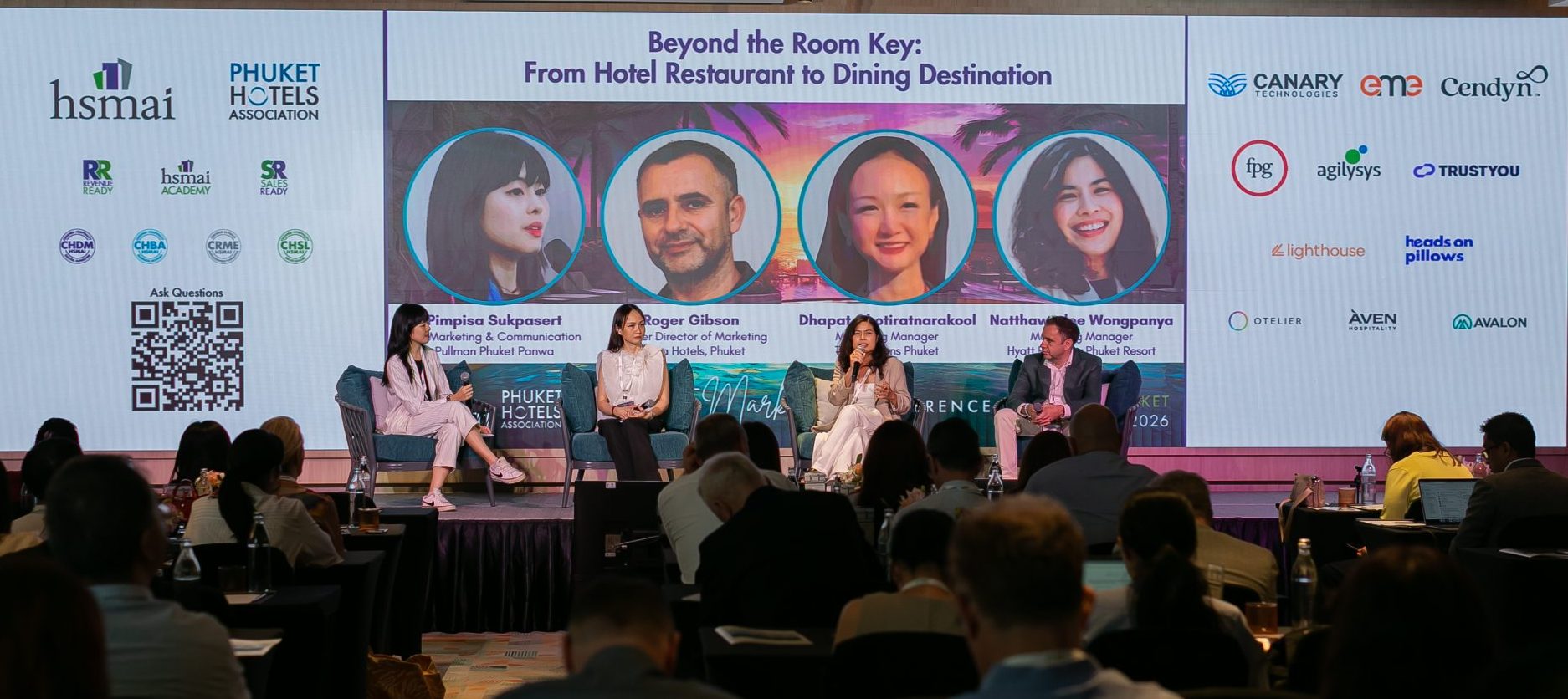
At the 2026 Resort Marketing Conference, organised by HSMAI Asia Pacific and the Phuket Hotels Association on 7 October 2026, industry leaders explored this question during The Resort Marketing Reset panel.
The discussion highlighted a shift in commercial thinking. Filling rooms remains important, but sustainable profitability increasingly depends on attracting the right guest segments, understanding their spending behaviours and capturing revenue beyond accommodation.
India: Looking Beyond Visitor Numbers
India continues to represent a significant opportunity for Phuket, supported by rising spending power, an expanding middle class and improving international air connectivity.
Yet the opportunity is far more diverse than traditional group travel.
Higher-spending leisure travellers, multigenerational families and guests seeking premium experiences are becoming increasingly valuable segments. Large family groups, sometimes requiring ten or more rooms, can create opportunities across accommodation, dining, activities and personalised resort experiences.
Indian travellers have also helped support Phuket during periods of softer demand from other international markets.
However, growth is not without challenges. Higher airfares can influence destination choices, particularly among midscale and upscale travellers who must consider the total cost of their holiday.
For resort marketers, the message is clear: India should not be approached as one homogeneous market.
Understanding different traveller profiles, their motivations and spending potential will be essential to developing more targeted packages, experiences and distribution strategies.
Beyond the Beach: Celebrations and Wellness as Demand Drivers
Phuket’s future growth will not depend exclusively on its traditional sun, sea and sand appeal.
One promising opportunity lies in celebration travel.
While destination weddings are already well established, anniversaries, milestone birthdays, family reunions and gatherings of friends offer resorts additional reasons to attract visitors.
These occasions can create meaningful opportunities for incremental spending, from private dining and exclusive activities to spa experiences and group accommodation.
Importantly, celebrations can also encourage repeat visits. A guest who visits Phuket for a wedding may return for an anniversary, family holiday or another special occasion.
Wellness is another segment with considerable potential.
With its tropical surroundings, established hospitality infrastructure and expanding range of specialised wellness experiences, Phuket is well positioned to appeal to travellers seeking relaxation, preventative health, personal wellbeing and longer stays.
For hotels, the opportunity lies in developing experiences that go beyond conventional spa packages, integrating wellness into a broader destination offering.
Cultural immersion, local experiences and special-interest travel can further diversify Phuket’s appeal, providing new reasons for different generations of travellers to visit.

MICE: The Opportunity Is Bigger Than the Room Rate
Meetings, incentives, conferences and exhibitions (MICE) represent another important opportunity, particularly during Phuket’s traditionally quieter periods.
However, winning this business requires more than attractive hotel rates and meeting facilities.
Event organisers consider the destination as a whole, including international accessibility, transportation, venue capabilities, activities and contingency arrangements during the rainy season.
This makes destination-wide collaboration essential.
The Thailand Incentive and Convention Association (TICA), led by President Prachoom Tantiprasertsuk, plays an important role in supporting this sector through international trade shows, roadshows, lead generation, familiarisation trips and industry education.
A recurring theme is the importance of selling the complete destination experience rather than competing on accommodation and facilities alone.
For resort commercial teams, MICE also presents an opportunity to rethink how business is evaluated.
A conference or incentive group may generate substantial additional revenue through food and beverage, meeting facilities, activities and other resort services.
Looking only at average daily rate (ADR) or revenue per available room (RevPAR) can therefore underestimate the full commercial contribution of group business.
Total revenue per available room (TRevPAR) offers a broader perspective, encouraging hotels to assess the revenue generated throughout the guest experience rather than focusing exclusively on room revenue.
Loyalty: Returning Guests Must Also Be Profitable Guests
As customer acquisition costs continue to affect hotel profitability, loyalty and repeat business deserve greater attention.
Attracting new guests often involves marketing expenditure, distribution fees and promotional incentives. Returning guests may offer opportunities to reduce some of these costs while increasing revenue over time.
But repeat business alone does not guarantee profitability.
Hotels need to understand how much returning guests spend, what it costs to retain them and whether their overall contribution justifies the investment.
This requires a more comprehensive approach to commercial performance, one that considers guest value, acquisition costs and ancillary spending alongside traditional occupancy and room revenue metrics.

For Phuket’s resorts, loyalty should be viewed not simply as a marketing programme but as an opportunity to build more sustainable, profitable customer relationships.
Phuket’s Competitive Advantage Cannot Be Taken for Granted
Phuket has strong international recognition, an established hospitality sector and a broad range of visitor experiences.
Nevertheless, competition from destinations such as Bali and emerging tourism markets in Vietnam continues to increase.
Travellers have more alternatives than ever, while digital platforms and social media are making lesser-known destinations easier to discover.
Phuket’s international price positioning also creates high expectations for quality, convenience and the overall visitor experience.
Infrastructure challenges, particularly traffic congestion, can influence visitor satisfaction. For business events, air connectivity, transport costs, visa requirements and ease of organisation remain important considerations.
Maintaining competitiveness will require cooperation between hotels, industry associations, destination partners and government stakeholders.
At the same time, younger travellers are discovering destinations through social media and looking for experiences beyond traditional tourist attractions.
For Phuket, this presents an opportunity to promote its culture, local communities, distinctive experiences and lesser-known attractions alongside its established resort offering.
The Future of Resort Growth Is About Value, Not Just Volume
The central message from The Resort Marketing Reset discussion was clear: Phuket’s next phase of growth should not be measured by visitor numbers alone.
The greatest opportunities may emerge from a more targeted approach to demand, identifying guest segments that deliver stronger commercial returns and creating experiences that encourage higher spending, longer stays and repeat visits.
India’s evolving outbound market, celebration travel, wellness and MICE all offer opportunities to diversify demand.
But translating those opportunities into profitable growth will require hotels to look beyond traditional revenue indicators and understand the total value of each guest segment.
Phuket already has many of the ingredients needed to succeed.