Invisible Systems Powering MICE Hospitality Excellence at Marina Bay Sands
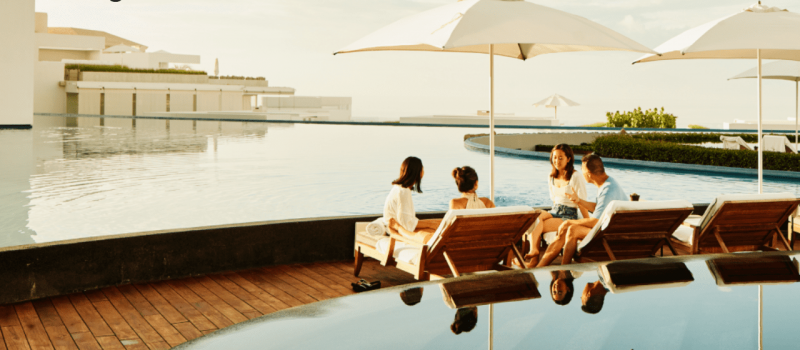
Something changes the moment a guest books.
Before the booking, they’re in evaluation mode. They are skeptical, price sensitive, and hyper-focused on logistics.
After the booking? The mindset shifts entirely. They start imagining. What will the view look like? Should I splurge on the suite? Is there a spa package worth trying?
That window, between booking and arrival, is the highest-intent moment in the guest journey. And most hotels are leaving it almost entirely untouched.
The moment you’re missing
If you ask a typical revenue manager where upselling happens, they’ll say: at check-in. That instinct isn’t wrong. The front desk is a high-intent moment — the guest is present, engaged, and about to start their stay. But it’s not the only moment. And for many offers, it’s not even the best one.
The difference between an offer that lands and one that gets ignored comes down to four things: clarity, relevance, personalisation, and ease.
“Wake up to an ocean view” almost always converts better than “$40/night room upgrade.
” It’s the same room and the same price, but a completely different frame. The first is an experience the guest can actually picture; the second is just another transaction they have to evaluate.
Personalisation doesn’t have to be complex, it just has to fit the booking. A family of four doesn’t need a romantic dinner package, and a couple celebrating on an anniversary trip likely isn’t looking for a connecting room. When the offer matches the guest, the conversion rates reflect it.
And if the offer requires several steps to accept, you’ve already lost them. The format needs to be mobile-first, frictionless, and followed-up once if they didn’t open it.
Timing matters more than most teams think
For room upgrades, send the offer around a week before arrival. The guest is starting to think about the trip, but hasn’t locked in their expectations yet.
For experiences like spa, dining, and excursions, the sweet spot is around five days out for most guests. That’s when they’re mentally packing and thinking about what they want to do during the stay.These aren’t rules to memorise. They’re patterns that show up consistently in guest behaviour data across hundreds of properties. Work with them, and you’ll see the difference.
At check-in: less is more
The most effective check-in upsell is a single, relevant offer surfaced at exactly the right moment.
Instant recognition, “Welcome back, Robyn Chen, we have a corner suite available today you might enjoy”, converts significantly better than a list of options delivered to a distracted guest who’s been travelling since 6 a.m.
The front desk isn’t only intended to sell, it’s intended to serve. When an offer genuinely fits, it doesn’t feel like a pitch. It feels like the hotel was paying attention.
The compounding effect
Each moment in the journey contributes. Pre-arrival automation typically adds around 1% TRevPAR lift. A structured check-in can add another 1.5%. In-stay offers bring another half point. Across a full property and a full season, that compounds to a 2–5% increase in total revenue, all from guests who were already inclined to spend more.
The upsell isn’t a bolt-on; it’s a system. The hotels getting the most from it aren’t the ones pushing harder — they’re the ones with a system that learns from guest behaviour across a network, not just their own property, so every offer gets smarter over time.
Explore how Plusgrade helps hotels tap into high-intent moments to drive meaningful revenue and better guest experiences. Learn more at Plusgrade.com
This article was contributed by Dan Hiza, VP Business Development at Plusgrade. Learn more at plusgrade.com